Introduction
You buy good tea. You buy quality coffee. You follow the steps. And yet… something feels wrong. It doesn’t taste like café-quality.
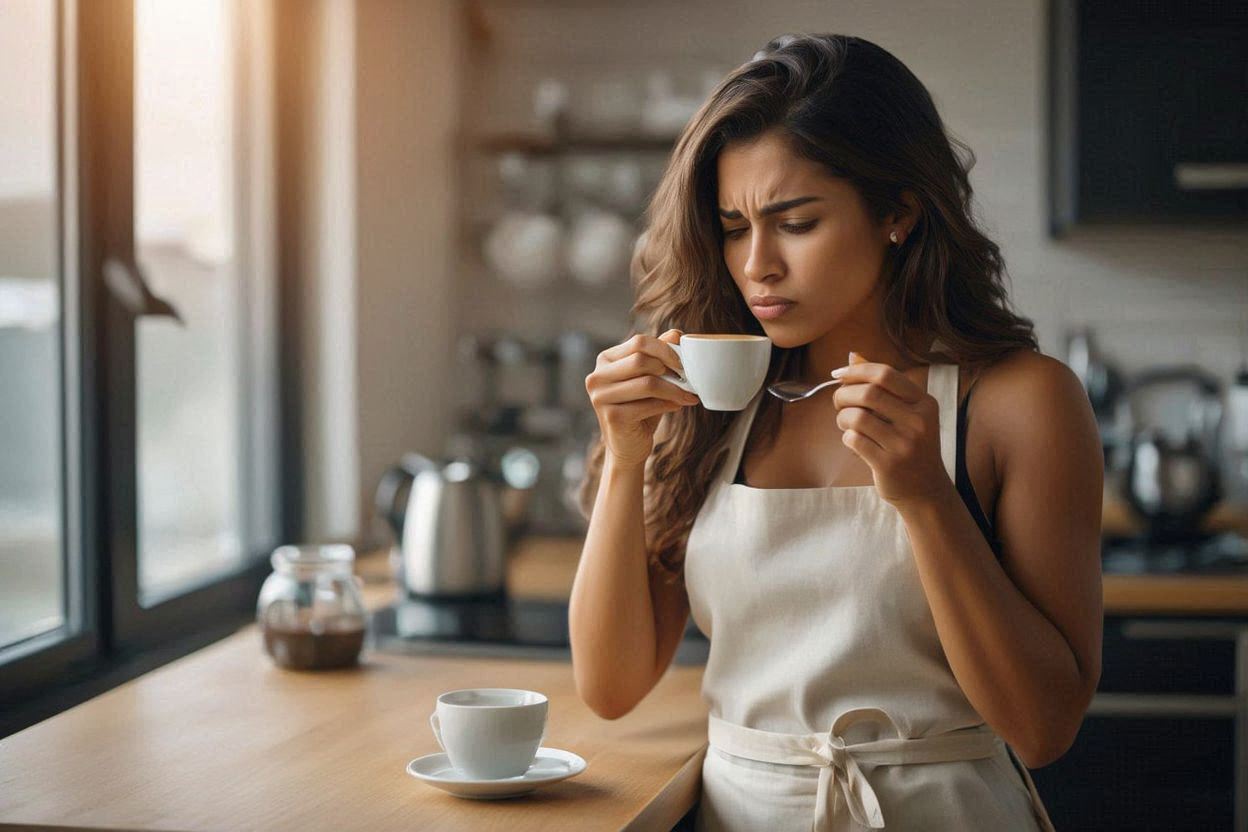
It feels either too weak, too bitter, too watery, or just “off”. This is one of the most common daily frustrations — and most people never figure out why.
Your tea or coffee doesn’t taste bad because of the ingredients. It tastes bad because of measurement. The smallest mistake in quantity can completely destroy the flavor.
The Truth Most People Ignore
People think “just add some coffee,” “pour water until it looks right,” or “more = stronger = better.”

But beverages are precision-based. A slight imbalance can cause bitter taste, weak flavor, burnt aftertaste, or no aroma. Taste is controlled by ratio — not guesswork.
The #1 Mistake: Wrong Coffee-to-Water Ratio
This is where most people go wrong.

A good starting ratio is 1 tablespoon coffee : 1 cup water. But people usually add too much coffee (bitter taste) or too little (weak taste). The result is inconsistent and disappointing coffee every time. Getting the tablespoon right matters — see how many tablespoons in a cup.
The Same Problem Happens with Tea
Tea also depends on balance.

Common mistakes: too many tea leaves (bitterness), too little (no flavor), too much water (diluted taste). Tea is not “boil and pour” — it’s measured extraction.
Why Your Mug Is Misleading You
Here’s something most people don’t realize:
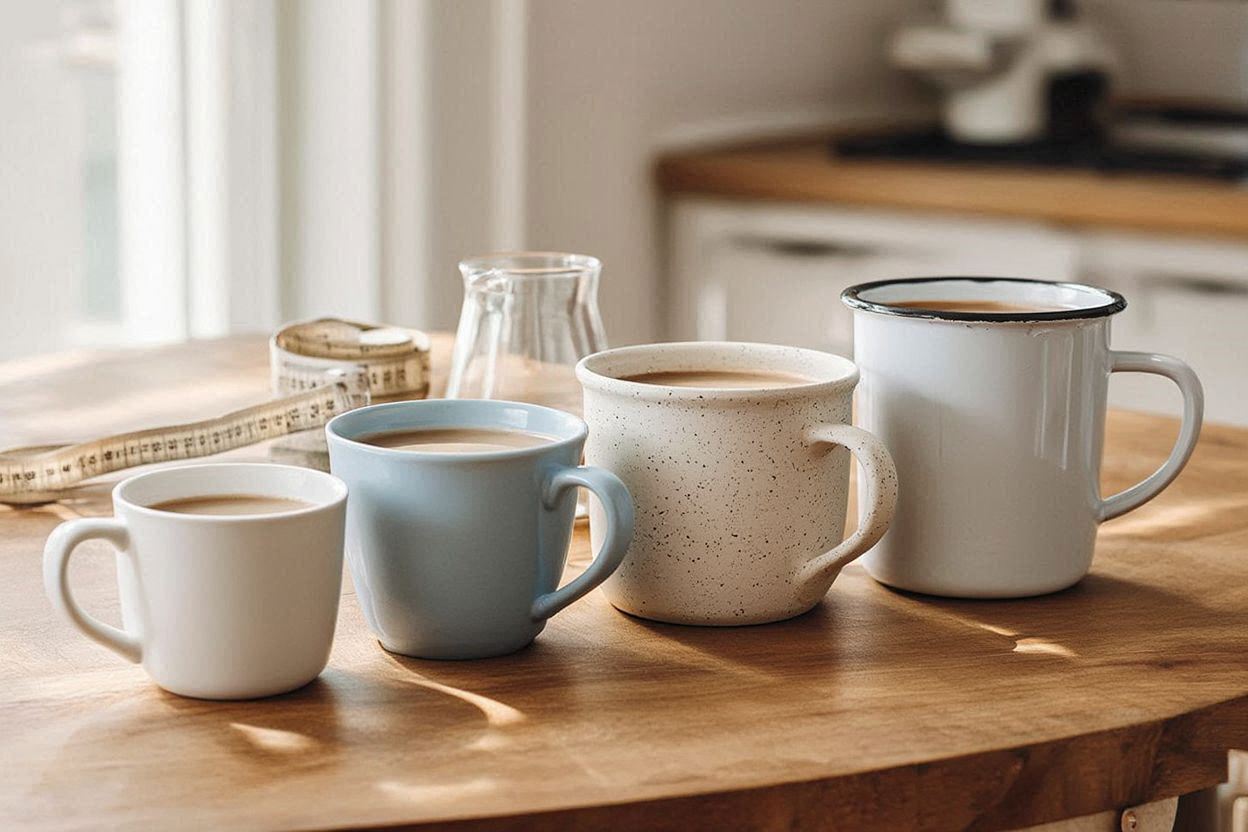
Your everyday mug is not a standard cup. Some mugs are 200 ml, some 300 ml, some 400 ml. So when you think “I added 1 cup water,” you are often wrong — and that small difference changes everything. Learn the real numbers in our guide on how many ml in a cup.
The Only Way to Fix This
Stop guessing. Start measuring. Once you control coffee quantity, water amount, and proper ratio, you will instantly notice better taste, balanced flavor, and consistent results. This is exactly how cafés achieve perfect taste every time.
Accurate liquid measuring is part of the secret — see why your liquid measuring cup is inaccurate. And if your coffee comes out harsh, our guide on why your coffee tastes bitter covers the fixes.
Choosing Accurate Measuring Tools
If you want café-quality results at home, accurate measuring is essential. When choosing a measuring set, look for these qualities:
- clear, precise markings that won’t fade
- durable stainless steel construction
- accurate, standard cup and spoon sizes
- comfortable, easy-to-use design
Reliable tools help you hit the same ratio every time — which is exactly what consistent tea and coffee depend on.
Helpful Kitchen Guides You Must Read
Improve your accuracy with these guides:
• How Many Tablespoons Are in a Cup
• How Many Teaspoons Are in a Tablespoon
• How Many ml in a Cup
• Why Your Coffee Tastes Bitter
These will help you control every recipe better.
Final Verdict
Your tea or coffee is not failing because of the brand. It’s failing because of inconsistent measurement.
Once you fix this, flavor improves instantly, taste becomes balanced, and results become repeatable. No more guessing, no more disappointment — just perfect tea or coffee, every single time.