Introduction
Have you ever followed a recipe exactly, but the result still turned out wrong?
Your cake becomes dense.
Your cookies spread too much.
Your bread doesn’t rise properly.
Most home cooks blame the recipe, the oven, or even their cooking skills. But here’s the honest truth: the real problem is usually incorrect measuring.
Professional bakers know that baking is a science, not guesswork. Even small measuring errors can completely change the outcome of a recipe. In this guide, we’ll reveal five measuring mistakes that quietly ruin baking results, and how you can easily fix them.
1. Using the Wrong Measuring Cups
One of the most common mistakes is using the wrong type of measuring cup. Many people don’t realize there are two different types:
- Dry measuring cups
- Liquid measuring cups
Each is designed for a different purpose.
Why this matters
Liquid cups usually have extra space at the top to prevent spilling, which means they aren’t accurate for dry ingredients. Dry measuring cups allow you to fill and level ingredients precisely.
For accurate measuring, learn the correct technique in our guide on how to measure flour correctly.
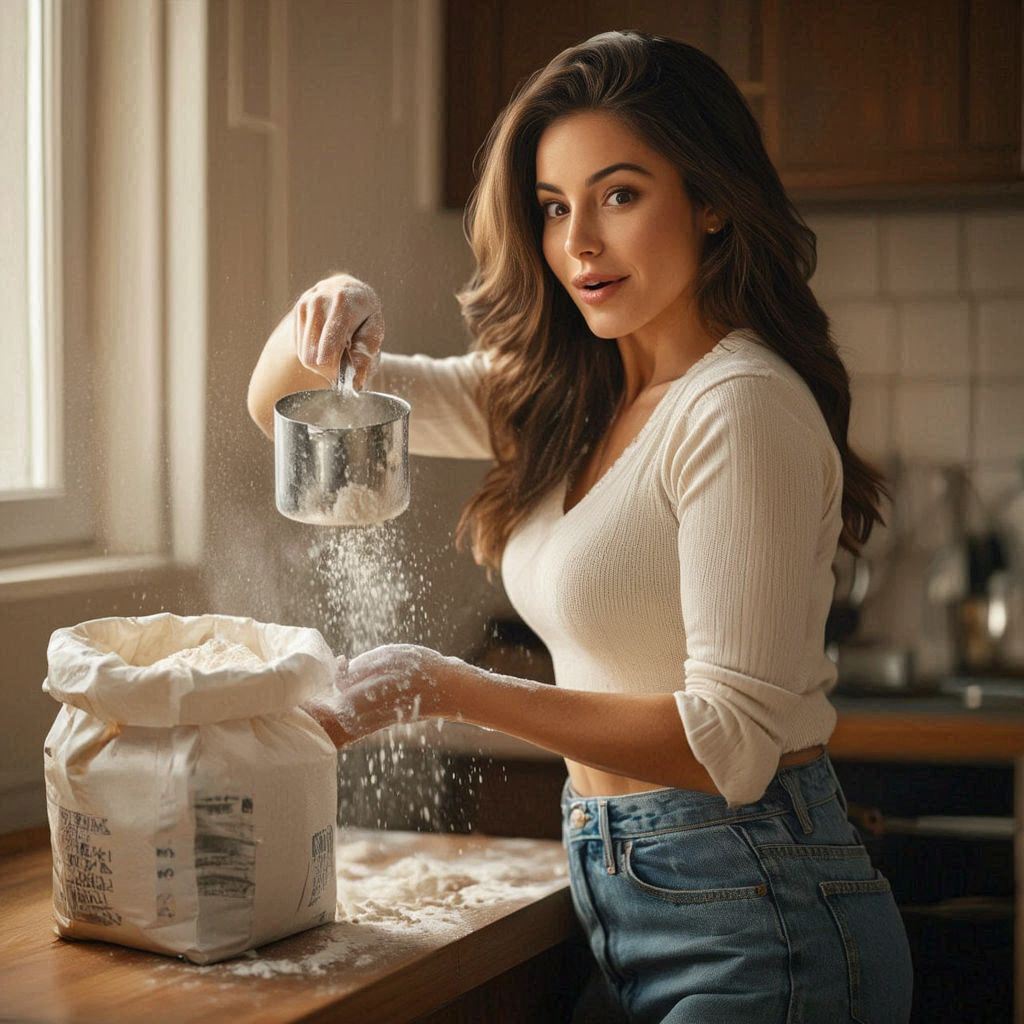
2. Scooping Flour Directly from the Bag
This mistake silently ruins thousands of baking recipes. When you scoop flour directly from the bag using a measuring cup, the flour becomes compressed. This can add 20–30% more flour than the recipe requires.
The result?
- Dry cakes
- Heavy muffins
- Dense bread
Correct Method
Professional bakers use the spoon and level method:
- Spoon flour into the measuring cup
- Fill until slightly over the top
- Level it with a flat edge
This simple step dramatically improves baking results.
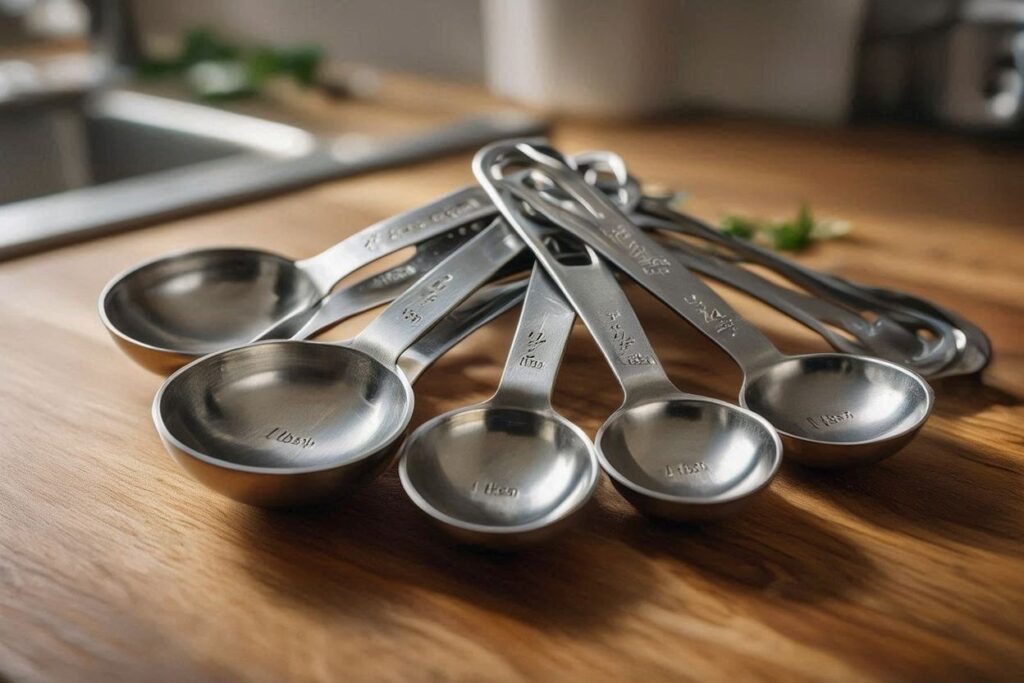
3. Ignoring Small Measurements
Many cooks treat small measurements casually. For example:
- ½ teaspoon salt
- ¼ teaspoon baking powder
These tiny ingredients control:
- flavor balance
- chemical reactions
- texture
A little too much or too little can ruin the entire recipe. That’s why precise measuring spoons are extremely important. See our guide on how many teaspoons in a tablespoon for accurate small measurements.
4. Guessing Instead of Measuring
It’s tempting to estimate ingredients. Many experienced cooks do this when making savory food. But baking is different. Even small guesses can cause problems like:
- cakes collapsing
- cookies spreading too much
- dough becoming sticky or dry
Professional kitchens almost never guess measurements. They measure everything carefully.
5. Using Low-Quality Measuring Tools
This is a mistake many people don’t think about. Cheap measuring tools often have:
- inaccurate sizes
- faded measurement markings
- poorly shaped cups or spoons
Over time this leads to consistent measuring errors. Reliable tools make a huge difference, especially if you bake regularly.
When choosing a measuring set, look for these qualities:
- engraved measurements that don’t fade
- durable stainless steel construction
- accurate, standard sizing
- comfortable handles
A good stainless steel set lasts for years and keeps your measurements consistent from one bake to the next.
A Simple Rule Professional Bakers Follow
Professional bakers often follow one simple rule:
Measure carefully. Mix confidently. Bake patiently.
This mindset removes guesswork from the kitchen and produces consistent results. If your baking recipes have been failing, improving your measuring habits can instantly improve your cooking.
Quick Kitchen Measurement Reminder
Here are a few conversions every cook should know:
| Measurement | Equivalent |
|---|---|
| 1 cup | 16 tablespoons |
| 1/2 cup | 8 tablespoons |
| 1/4 cup | 4 tablespoons |
| 1 tablespoon | 3 teaspoons |
If you need more conversion help, check our guide on how many tablespoons are in a cup. Understanding these basic conversions makes cooking much easier.
Final Thoughts
Many people believe baking success depends on talent. In reality, it mostly depends on precision. Correct measuring habits can turn frustrating baking failures into consistent success.
By avoiding these common measuring mistakes, you’ll immediately notice:
- better cake texture
- more balanced flavors
- more reliable recipes
And once you develop proper measuring habits, cooking becomes much more enjoyable.