Introduction
You followed the recipe. You added spices. You cooked it patiently.
But when you taste your soup… it feels flat, lifeless, and disappointing.

No depth. No richness. So you add more salt. Still not right. More spices? Still bland.
At this point, most people think: “Maybe I’m just not good at cooking.” But here’s the truth:
Your soup is not bland because of cooking — it’s bland because of measurement.
The Real Problem No One Talks About
Most people treat soup like a “free-style” dish. They add water randomly, throw in spices without measuring, and adjust ingredients by guess.
But soup is actually about balance and ratio. If your measurements are off, your soup will always taste weak — no matter what ingredients you use.
Mistake #1: Too Much Water
This is the biggest reason soups taste bland.
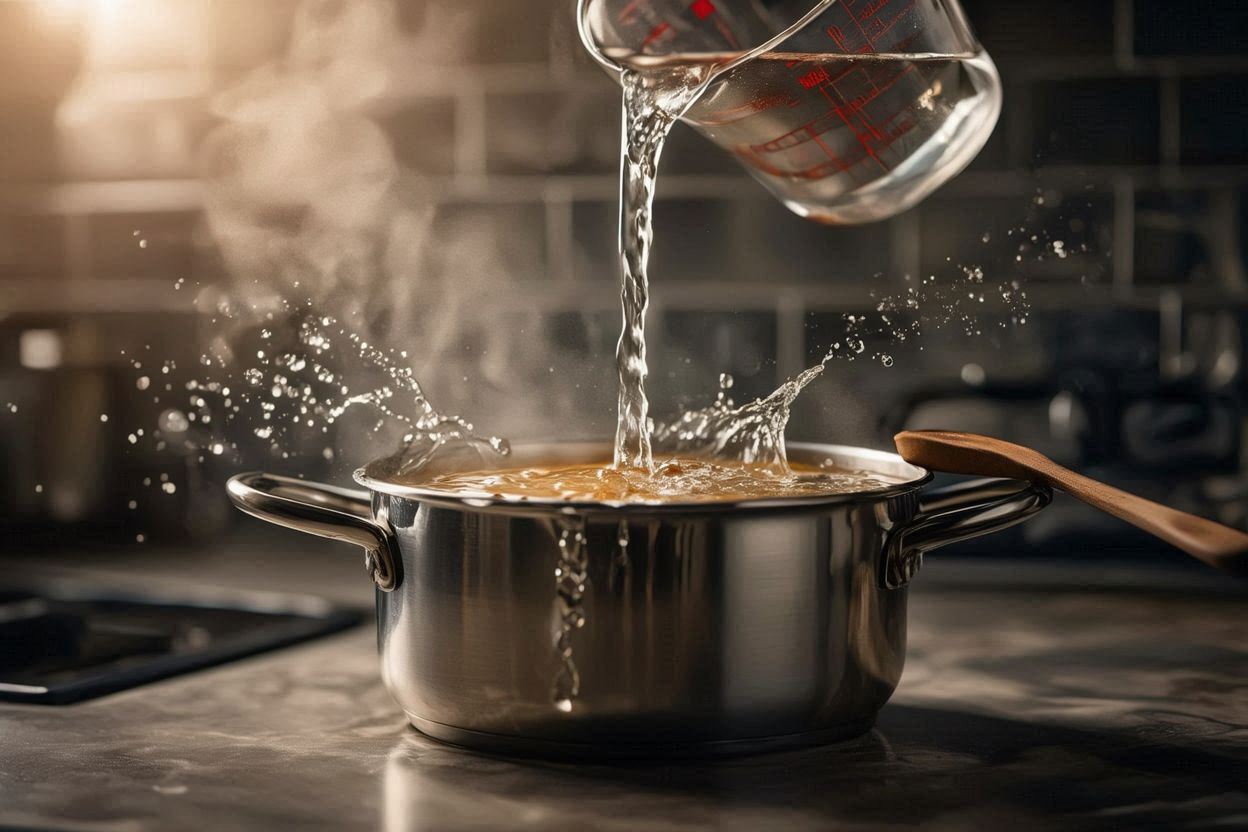
When you add too much water, flavors get diluted, spices lose impact, and ingredients lose their identity. Even good ingredients cannot fix this.
Fix: Use controlled liquid measurements instead of guessing. Accurate liquid measuring helps — see why your liquid measuring cup is inaccurate.
Mistake #2: Not Measuring Salt Properly
Salt is not just for taste — it activates flavor.
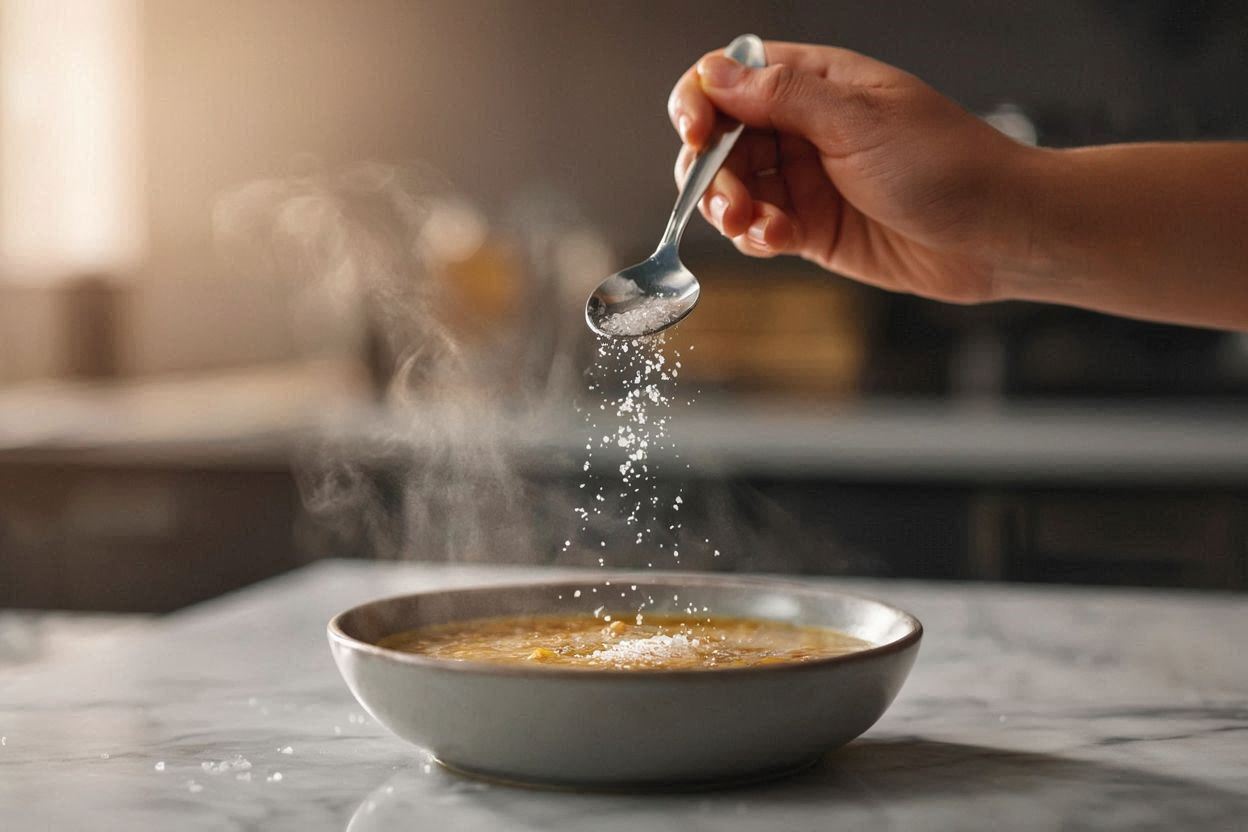
Too little salt and the soup tastes flat. Too much and it becomes overpowering.
Fix: Measure salt gradually using teaspoons instead of adding randomly. Precise small measurements matter — see how many teaspoons in a tablespoon.
Mistake #3: Wrong Ingredient Ratios
A good soup depends on balance between liquid, vegetables, protein, and seasoning.
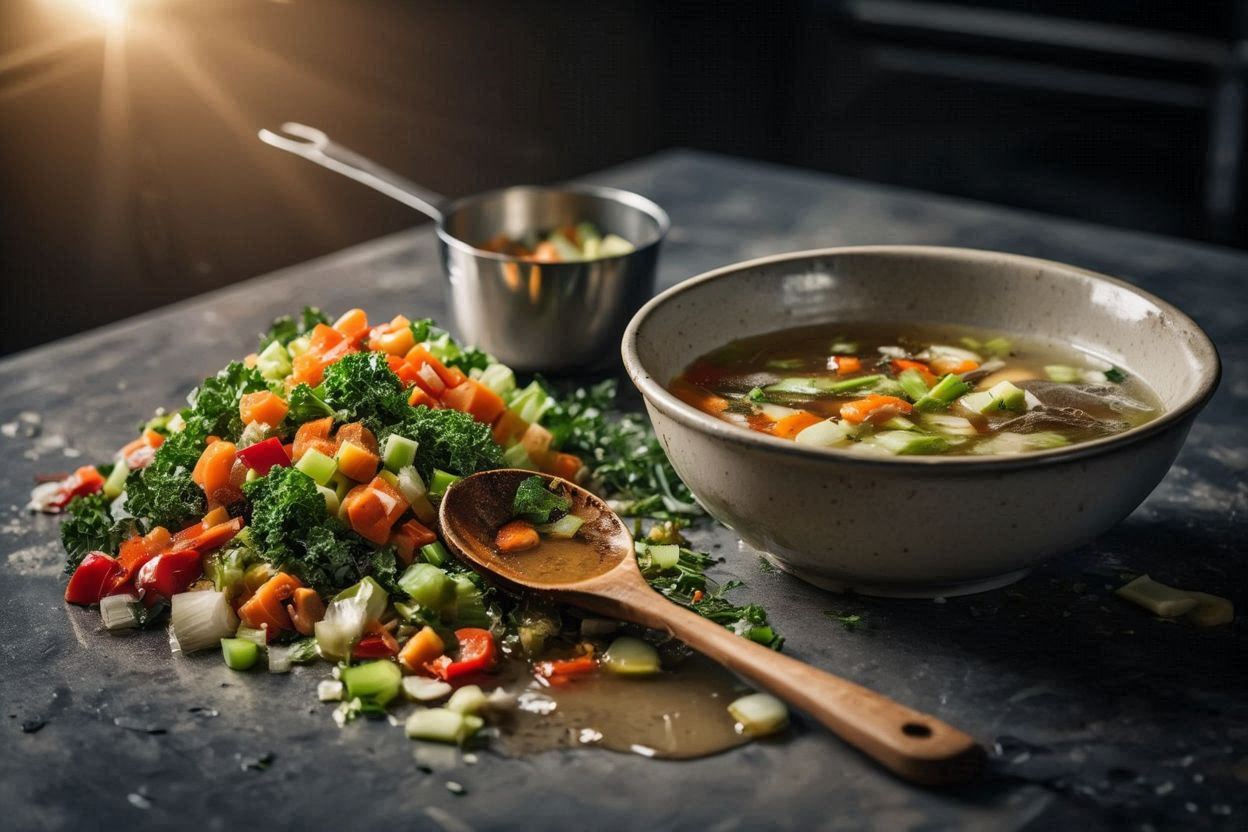
Too much of one ingredient can destroy the overall flavor. For example: too many vegetables plus too much water equals weak soup.
Mistake #4: Adding Everything Without Control
Many home cooks just keep adding ingredients, hoping to “fix” the taste. But this creates confusion in flavor.
More ingredients ≠ better soup. Better measurement = better taste.
The Only Way to Fix Bland Soup
Here’s the simple truth:

Control your measurements, control your flavor. When you measure water correctly, add salt in controlled amounts, and balance ingredients properly, your soup becomes rich, flavorful, and consistent. This is exactly how restaurants maintain taste every time.
Helpful Kitchen Guides You Must Read
To improve your cooking accuracy:
• How Many Tablespoons Are in a Cup
• How Many Teaspoons Are in a Tablespoon
• Why Your Liquid Measuring Cup Is Inaccurate
• How Many Cups Are in a Quart
These guides will help you master kitchen measurements.
Final Verdict
Your soup is not bland because you lack skill. It’s bland because of uncontrolled measurements.
Once you fix this, flavors become richer, taste becomes balanced, and cooking becomes predictable. Great cooking is not about adding more — it’s about adding the right amount.