Introduction
You followed the recipe carefully.
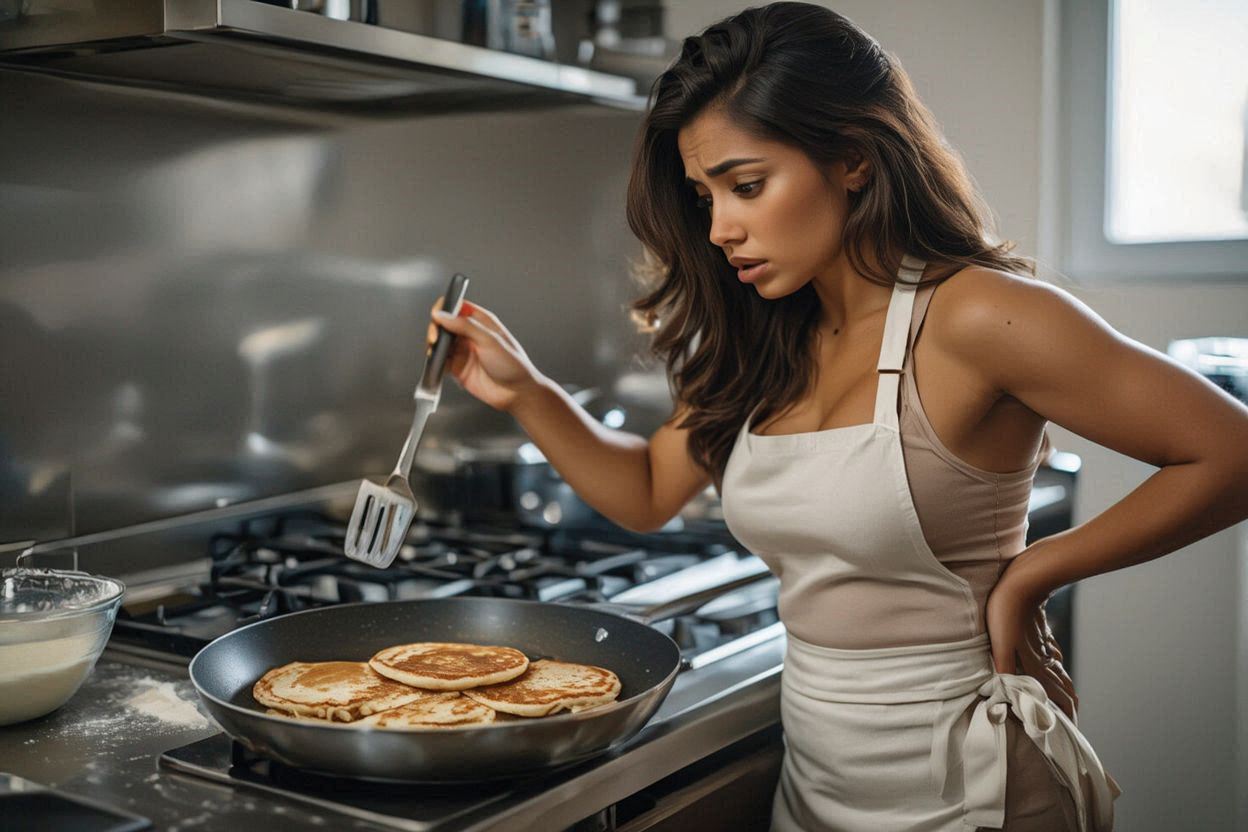
You mixed the batter, heated the pan, and poured your pancakes with excitement.
But instead of soft, fluffy pancakes… you got flat, dense, lifeless discs.
Here’s the brutal truth most recipes don’t tell you:
Pancakes don’t fail because of cooking — they fail because of measuring mistakes.
The difference between fluffy pancakes and flat pancakes is often just one small error in how ingredients are measured. In this guide, you’ll discover the real reason your pancakes turn out flat — and exactly how to fix it.
The Real Reason Your Pancakes Are Flat
Most people blame the pan, the heat, or the recipe. But the real issue is usually incorrect ingredient measurement.
Pancake batter depends on a precise balance between flour, liquid, and leavening (baking powder). If this balance is off, your pancakes will not rise properly.
Mistake #1: Too Much Liquid
This is the most common mistake.
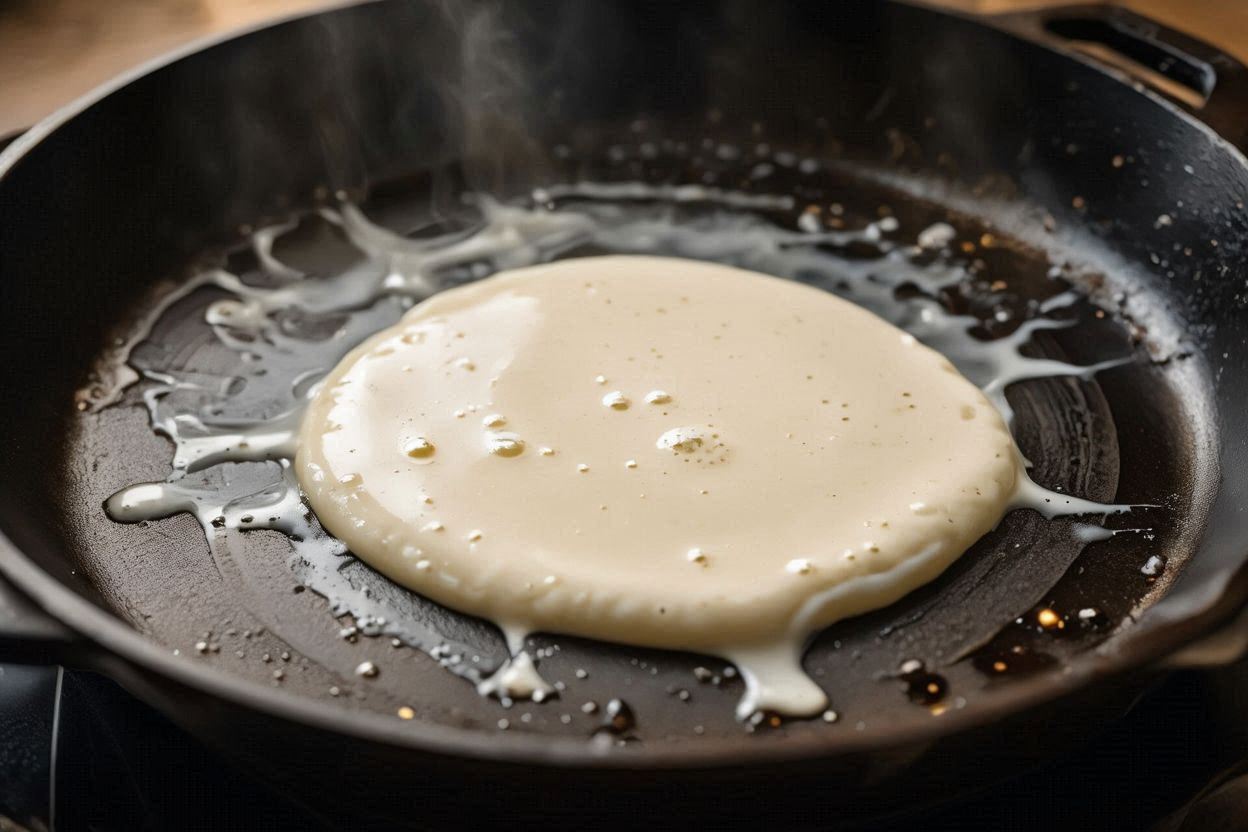
When you add too much milk or water, the batter becomes too thin. The result: pancakes spread too much, with no thickness and a flat texture.
Fix: Your batter should be slightly thick, not watery. Accurate liquid measuring matters here — see our guide on why your liquid measuring cup is inaccurate.
Mistake #2: Incorrect Flour Measurement
Many people scoop flour directly from the container.
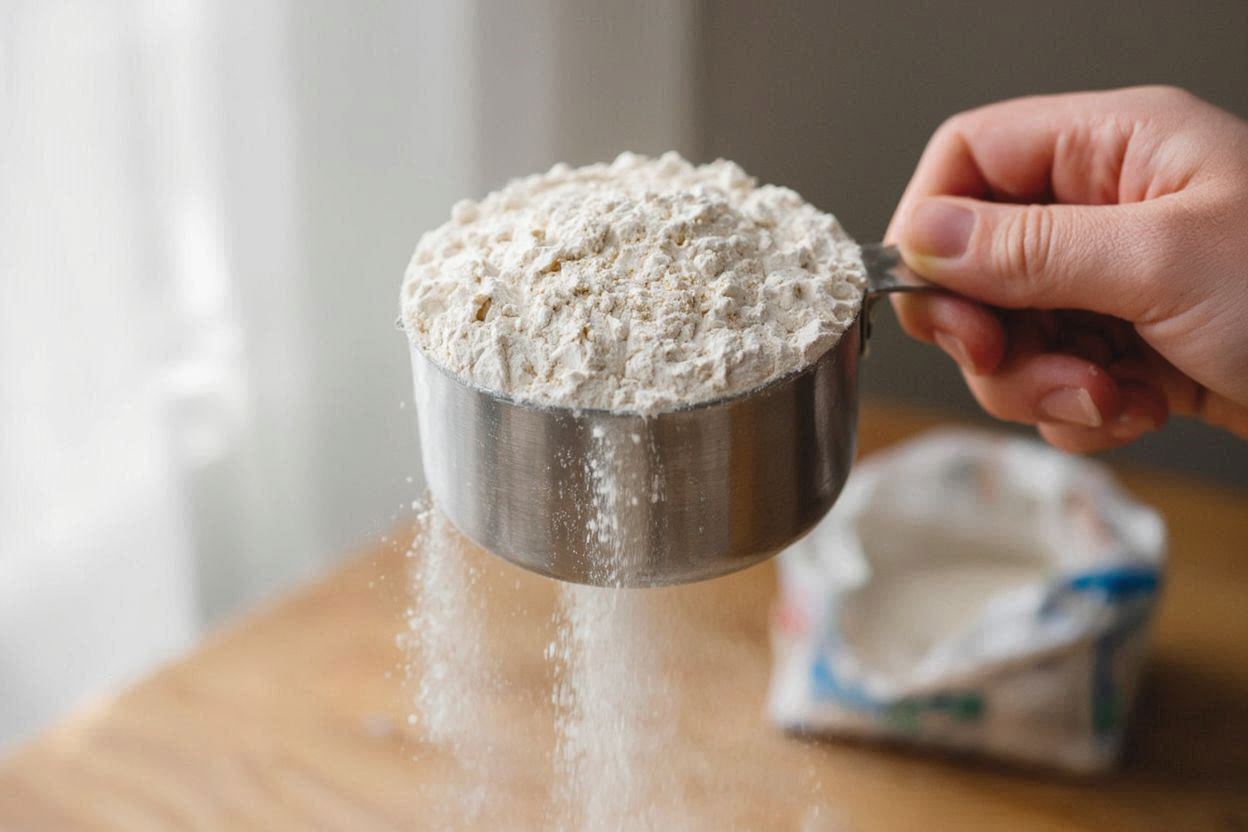
This packs extra flour into the cup without realizing it — the result is heavy batter, dense pancakes, and poor rise. In fact, scooped flour can weigh up to 30 grams more per cup than spooned flour.
Fix: Use the spoon and level method instead of scooping. See exactly how much difference it makes in our guide on scooped vs spooned flour.
Mistake #3: Old or Incorrect Baking Powder
Baking powder is what makes pancakes rise.
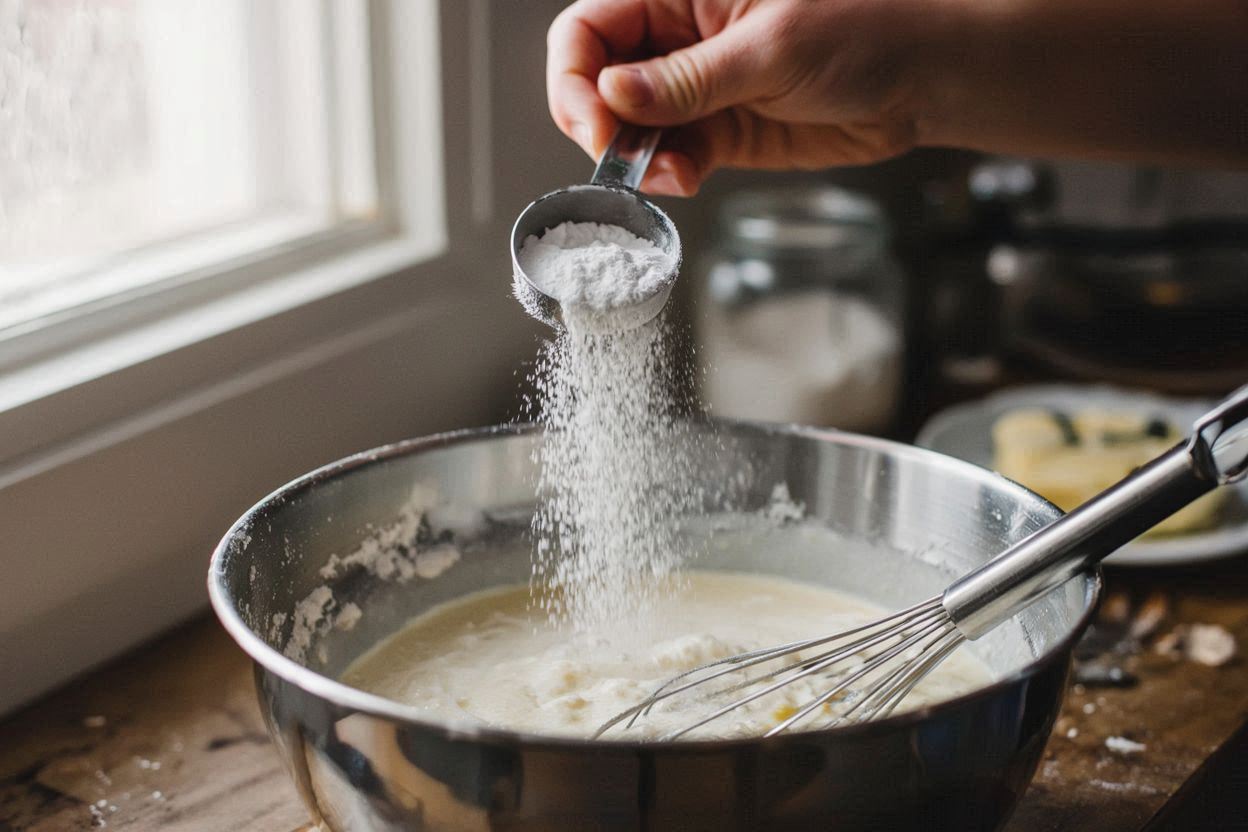
If it is old or measured incorrectly, pancakes stay flat, with no fluffiness and a dense texture.
Fix: Always use fresh baking powder and measure it accurately with proper spoons — see how many teaspoons in a tablespoon for precise small measurements.
Mistake #4: Overmixing the Batter
Most people think smooth batter is better. That’s wrong.
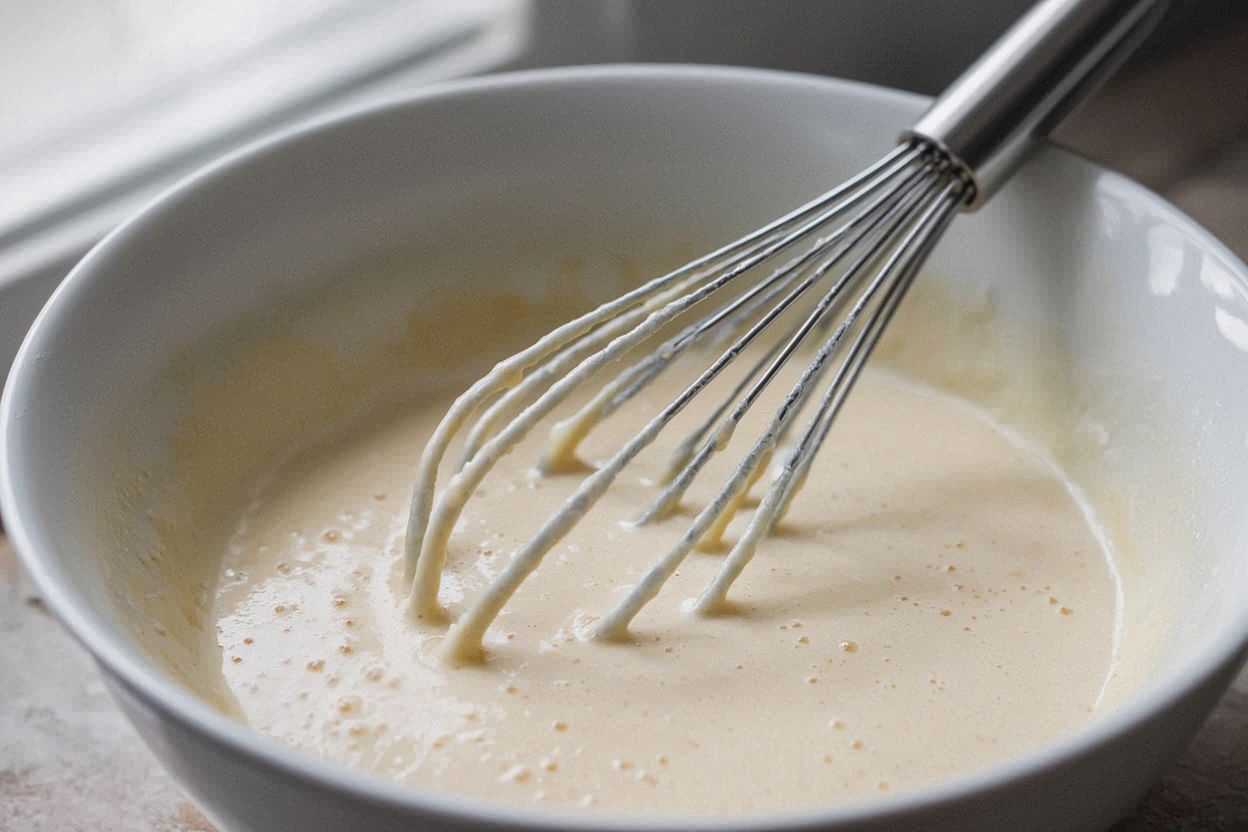
Overmixing destroys air bubbles needed for fluffiness. The result: flat pancakes with a rubbery texture.
Fix: Mix until just combined. Lumps are okay.
The Game-Changer Most People Ignore
Here’s something most home cooks don’t realize: even small measuring errors can completely ruin pancakes.
A difference of just 1–2 tablespoons of liquid, or slightly packed flour, can change everything. This is why experienced cooks rely on proper measuring tools and techniques.
Choosing Accurate Measuring Tools
If you want consistently fluffy pancakes, accurate measuring tools make a real difference. When choosing a measuring set, look for these qualities:
- engraved measurements that don’t fade over time
- durable stainless steel construction
- accurate, standard cup and spoon sizes
- comfortable grip handles
A good stainless steel set lasts for years and keeps your measurements consistent from one batch to the next.
Helpful Kitchen Guides You May Find Useful
To improve your cooking accuracy, explore these guides:
• How Many Tablespoons Are in a Cup
• Why Your Liquid Measuring Cup Is Inaccurate
• How to Measure Flour Correctly for Baking
• How Many Cups Are in a Quart
These guides will strengthen your kitchen skills.
Final Verdict
Flat pancakes are not a mystery. They are usually the result of simple measuring mistakes that most people ignore.
Once you control ingredient ratios, proper measuring techniques, and batter consistency, you will start making soft, fluffy pancakes every time.
Cooking is not just about following recipes — it’s about understanding the small details that make a big difference.