Introduction
Many home bakers believe their recipes fail because of the oven, the ingredients, or the recipe itself.
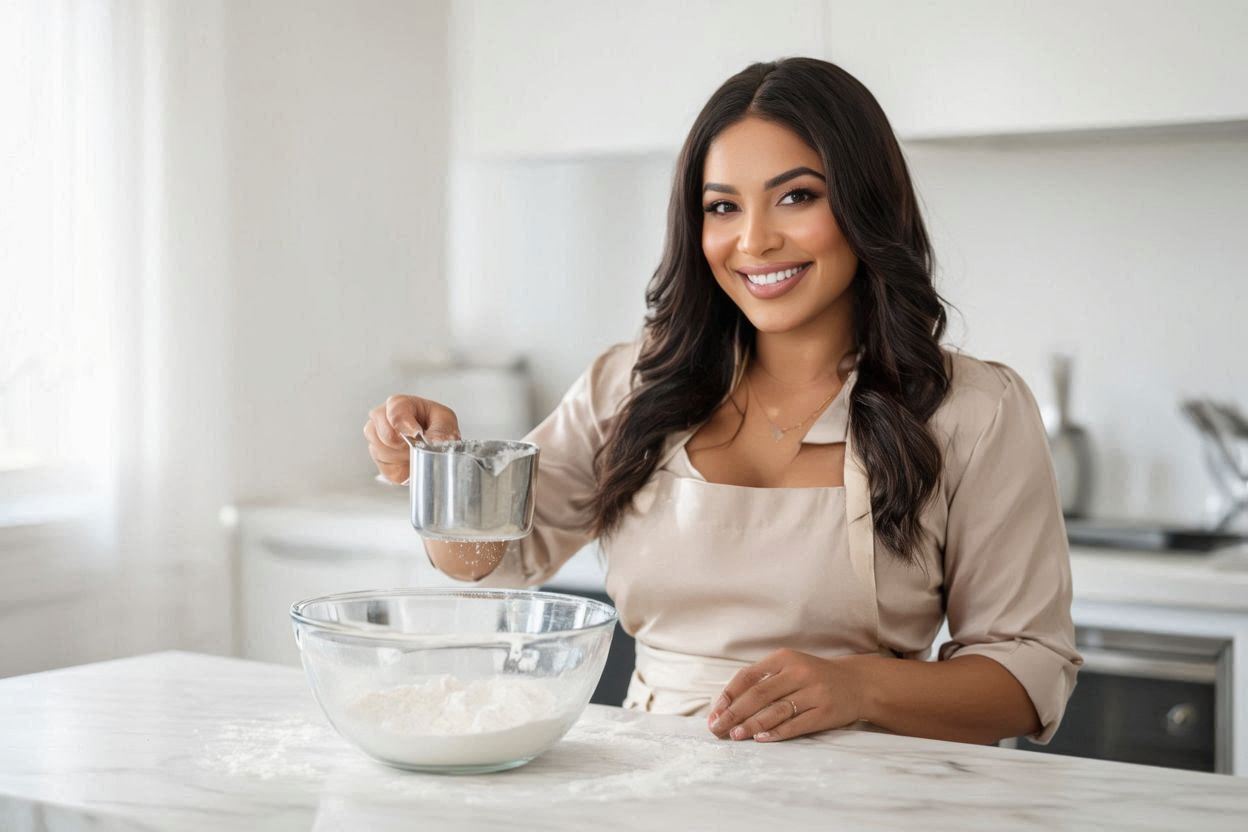
But here’s a surprising truth professional bakers already know:
Most baking failures happen because flour is measured incorrectly.
Even a small measuring mistake can completely change a recipe.
Too much flour can cause:
- dense cakes
- dry muffins
- tough cookies
- bread that refuses to rise
Too little flour can make baked goods collapse or spread too much.
If you’ve ever wondered why your baking results don’t match the recipe photos, incorrect flour measurement is often the hidden reason.
In this guide, you’ll learn the correct method professional bakers use, plus a few simple tricks that instantly improve your baking results.
Why Measuring Flour Is So Important
Unlike cooking, baking depends heavily on precise ingredient ratios.
Flour controls the structure of baked goods. When the amount changes, everything changes:
- texture
- moisture
- rise
- flavor balance
Many beginners unknowingly add 20–30% more flour than the recipe requires.
That small mistake can ruin the final result.
The Biggest Flour Measuring Mistake
Most home cooks measure flour like this:
- They scoop the measuring cup directly into the flour bag.
- The flour compresses tightly into the cup.
- The cup holds far more flour than intended.
This method seems harmless, but it can add several extra tablespoons of flour to a recipe.
Professional bakers almost never measure flour this way.
The Correct Way to Measure Flour
The correct method is called the Spoon and Level Method.
Follow these simple steps:
1️⃣ Stir the flour lightly to loosen it.
2️⃣ Use a spoon to add flour into the measuring cup.
3️⃣ Fill the cup until it slightly overflows.
4️⃣ Use a flat knife to level off the top.
This ensures your flour measurement is accurate.
It may seem like a small detail, but it makes a huge difference in baking quality.
Kitchen Tip Most Baking Guides Don’t Mention
Humidity can affect flour measurement.
In humid kitchens, flour becomes slightly heavier and more compact.
To reduce errors:
- store flour in airtight containers
- fluff flour before measuring
- avoid packing it into measuring cups
Small habits like these improve baking consistency.
Why Professional Bakers Prefer Weighing Flour
Many professional bakers actually weigh flour using a kitchen scale.
The standard reference is:
1 cup all-purpose flour ≈ 120 grams
Weighing ingredients eliminates measurement guesswork and produces consistent results. For a full breakdown of flour weights by type, see our guide on grams to cups flour.
However, most home cooks still rely on measuring cups, which is why proper measuring technique matters.
Choosing Reliable Measuring Tools
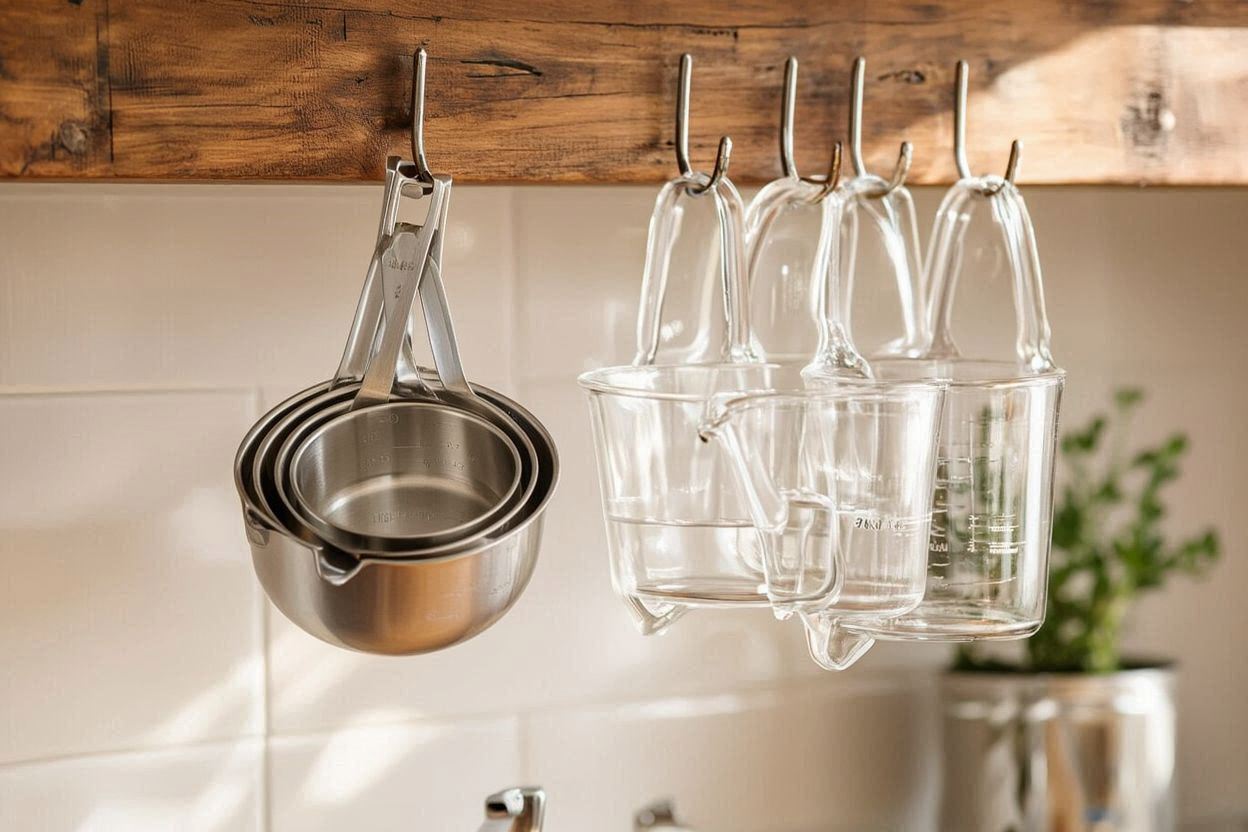
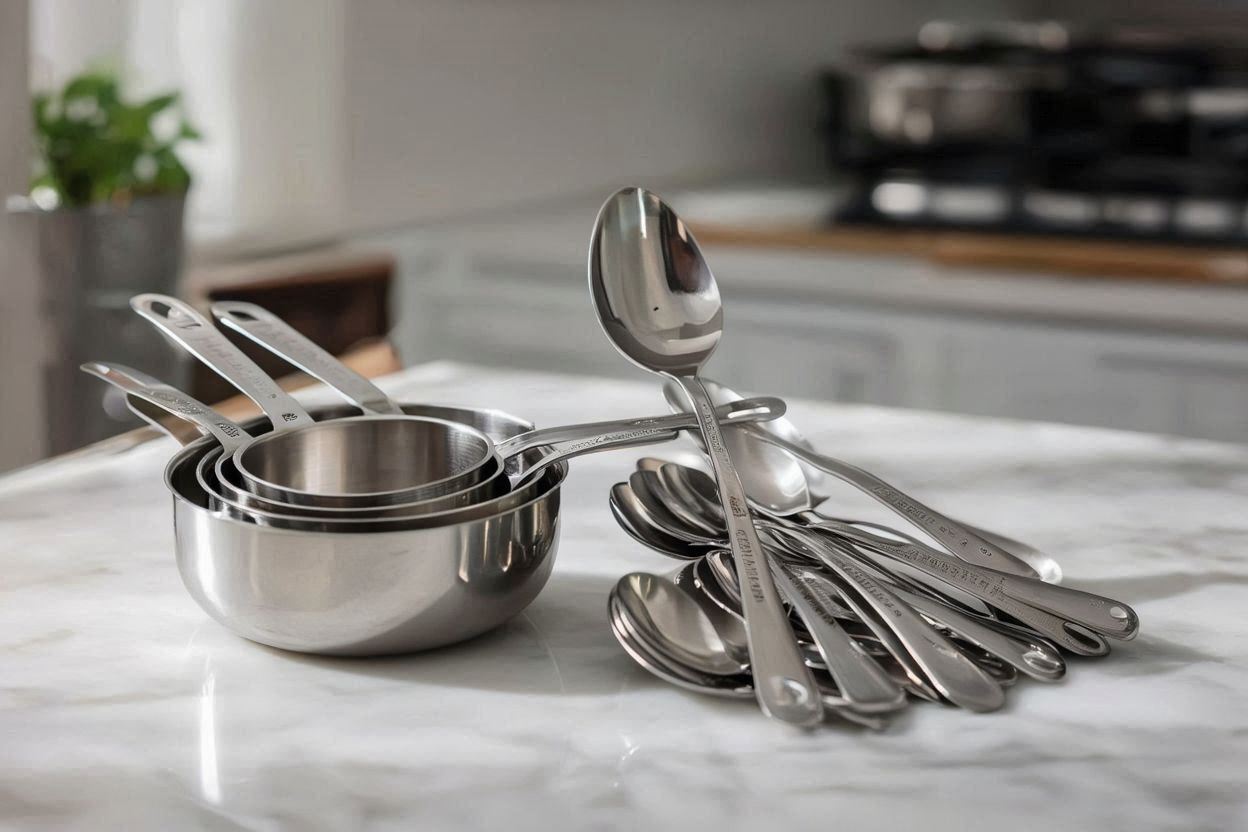
Using reliable measuring tools helps prevent common kitchen mistakes. When choosing measuring cups and spoons, look for a set with these qualities:
- engraved measurements that don’t fade over time
- durable stainless steel construction
- accurate, standard cup and spoon sizes
- comfortable grip handles
A good stainless steel set lasts for years and keeps your measurements consistent from one bake to the next — which is exactly what accurate baking depends on.
Related Kitchen Guides You May Find Helpful
If you want to improve your cooking accuracy even more, these guides can help:
• How Many Tablespoons in a Cup
• Cups to Grams Conversion Chart
• Why Your Cake Sinks in the Middle
These guides explain common kitchen measuring mistakes and simple conversion tricks.
Quick Flour Measurement Reminder
Before baking, remember these three simple rules:
✔ Never scoop flour directly from the bag
✔ Use the spoon-and-level method
✔ Use accurate measuring tools
Following these steps will immediately improve your baking results
Final Thoughts
Baking success isn’t about luck.
It’s about precision.
Once you start measuring flour correctly, you’ll notice your baked goods become:
- lighter
- softer
- more consistent
- closer to the recipe results
Sometimes the smallest kitchen habits make the biggest difference.