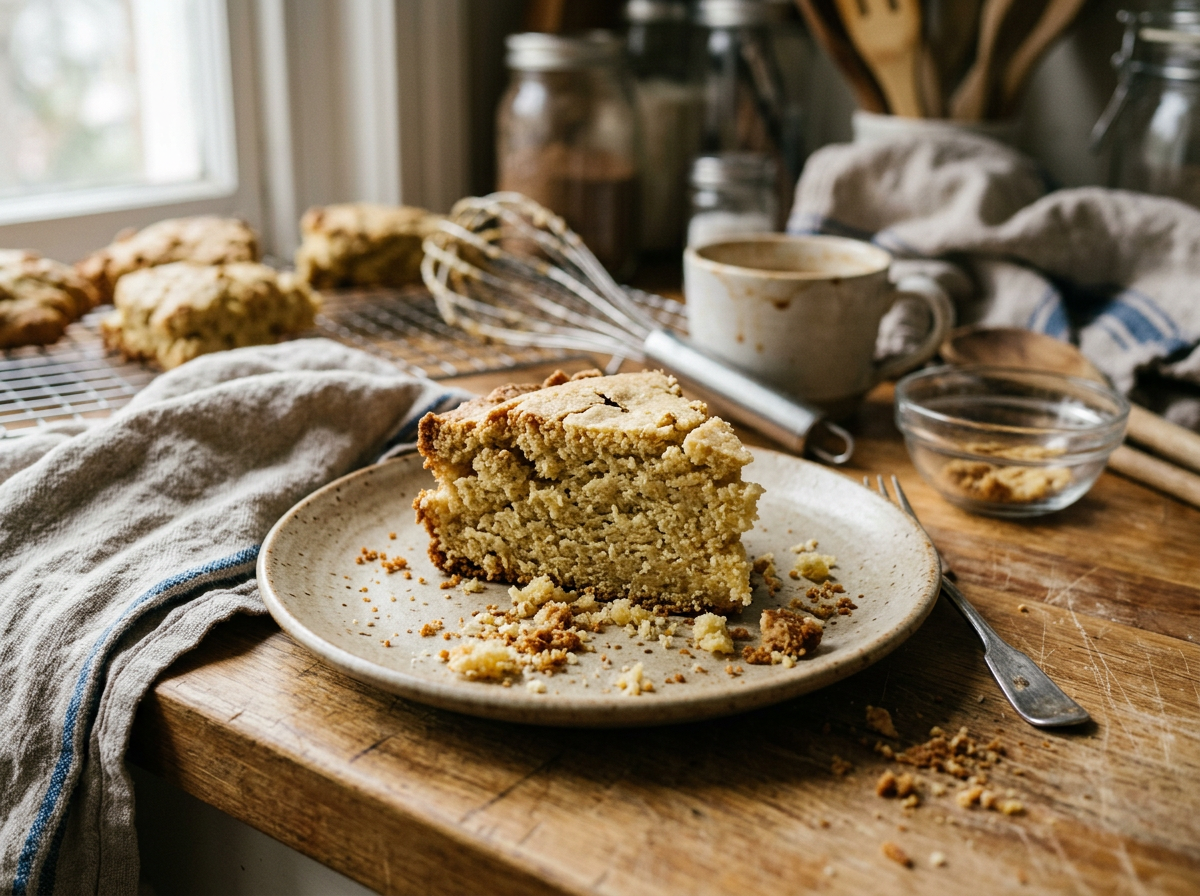
😞 You scooped the dough, slid the tray in, and came back to a sheet of thin, greasy, spread-out puddles instead of thick, chewy cookies. Flat cookies are one of the most common baking disappointments — and the frustrating part is they usually look fine as dough. The good news: every cause is specific and fixable. Let us find yours.
The quick answer: Cookies turn out flat when the butter melts and spreads before the structure sets. The most common causes are butter that is too warm or melted, dough that was not chilled, too little flour, expired leavening, or a baking sheet that is too hot. Below we break down all 8 causes and exactly how to fix each one.
A cookie holding its shape is a race: the flour and egg structure needs to set in the oven before the butter fully melts and lets everything spread. When butter wins that race, you get flat cookies. Almost every flat-cookie problem traces back to butter temperature, dough handling, or ingredient balance. Here are the eight reasons it happens, ranked from most to least common.
Reason 1: Your Butter Was Too Soft or Melted
This is the number one cause of flat cookies. If your butter was melted, oily, or too warm when you creamed it, the dough starts out too soft. In the oven it liquefies almost instantly and the cookie spreads into a thin puddle before the structure can set. Softened butter should be cool to the touch and still hold its shape — not greasy or glossy.
✅ The fix: Use butter that is softened but still cool — about 65°F. Press it gently: your finger should leave a dent without sinking through. If it looks shiny or greasy, chill it for 10 minutes before creaming.
Reason 2: You Did Not Chill the Dough
Chilling is the single most powerful anti-spread trick, and skipping it is why so many cookies go flat. Cold dough means the butter stays solid longer in the oven, giving the flour and egg time to set before the cookie spreads. Warm dough spreads fast and wide.
✅ The fix: Chill the dough at least 30 minutes, ideally 1-2 hours, before baking. For very soft doughs, chill the scooped balls on the tray. Overnight chilling also deepens the flavor.
Reason 3: Too Little Flour
Flour gives cookies their structure. Too little and there is nothing to hold the shape, so the cookie spreads thin. This usually happens from measuring flour incorrectly — scooping the cup straight from the bag actually packs in less flour than spooning it, or the reverse, depending on technique.
✅ The fix: Measure flour accurately — spoon it into the cup and level with a knife, or better, weigh it (1 cup all-purpose flour = 120g). See our guide on grams to cups flour for exact weights.
Reason 4: Expired or Wrong Leavening
Old baking soda or baking powder loses its lift, so cookies spread out instead of puffing up. Using baking soda when the recipe wanted baking powder (or vice versa) also changes how the cookie sets and spreads.
✅ The fix: Test baking soda with a little vinegar and baking powder with hot water — both should fizz strongly. Replace every 6-12 months, and always use the exact leavening the recipe specifies.
Reason 5: A Hot Baking Sheet
Placing cookie dough on a warm or hot baking sheet — often a tray reused straight from the last batch — starts melting the butter before the cookies even reach the oven. By the time they bake, they have already begun to spread.
✅ The fix: Always use a fully cooled baking sheet between batches. Keep a second sheet on hand, or run the hot one under cold water and dry it before reloading.
Reason 6: Too Much Sugar
Sugar melts into liquid in the oven and encourages spread. Too much sugar — or using all white sugar when the recipe called for some brown — makes cookies spread thinner and crisper. Brown sugar holds moisture and helps cookies stay thicker and chewier.
✅ The fix: Measure sugar exactly and keep the brown-to-white ratio the recipe specifies. If your cookies spread too much, try shifting slightly more toward brown sugar for a thicker result.
Reason 7: You Overcreamed the Butter and Sugar
Creaming butter and sugar adds air for a light texture — but overdoing it beats in too much air. Those air pockets collapse in the oven’s heat, and the cookie falls flat as it bakes. Long, high-speed creaming is the usual culprit.
✅ The fix: Cream just until light and combined, about 1-2 minutes on medium. Stop as soon as the mixture looks fluffy and pale — no longer.
Reason 8: Oven Temperature Too Low
A cool oven lets butter melt and the cookie spread before the structure has a chance to set. Many home ovens run 25-50°F cooler than the dial shows, which is enough to turn thick cookies flat.
✅ The fix: Use an oven thermometer to check the real temperature and preheat fully — at least 15 minutes. Most cookies bake best at 350-375°F for a good balance of set and spread.
Quick Diagnosis — Match Your Cookies to the Cause
| What You Saw | Most Likely Cause | Go To |
|---|---|---|
| Greasy, thin, spread into each other | Butter too warm or melted | Reason 1 |
| Spread fast, no chilling done | Dough not chilled | Reason 2 |
| Thin and fragile, fell apart | Too little flour | Reason 3 |
| Flat and dense, did not puff | Expired leavening | Reason 4 |
| Spread before baking even started | Hot baking sheet | Reason 5 |
| Thin, crispy, and lacy | Too much sugar | Reason 6 |
| Puffed then collapsed flat | Overcreamed butter | Reason 7 |
The Emergency Fix — Save Dough That Is Spreading
If your first tray came out flat, do not bake the rest the same way. Try these quick rescues:
- Chill the remaining dough for 30-60 minutes before baking the next tray. This alone fixes most spreading.
- Add 1-2 tablespoons more flour to the bowl and mix gently if the dough feels very soft and wet.
- Bake on a cool sheet lined with parchment, and space cookies further apart.
- Drop the oven rack to the middle and make sure the oven is fully preheated.
Frequently Asked Questions
Why did my cookies turn out flat?
The most common reason is butter that was too warm or melted, causing the dough to spread before it set. Other frequent causes are skipping the dough chill, too little flour, expired leavening, or a hot baking sheet.
Does chilling cookie dough stop it spreading?
Yes. Chilling keeps the butter solid longer in the oven, so the cookie structure sets before it can spread. Chilling dough for 30 minutes to 2 hours is the single most effective fix for flat cookies.
Should I use melted or softened butter for cookies?
For thick, chewy cookies use softened but still cool butter, around 65°F. Melted butter makes cookies spread thin and greasy unless the recipe is specifically designed for it.
How much flour should cookie dough have?
Follow your recipe, but measure accurately — 1 cup of all-purpose flour should weigh 120g. Too little flour is a common cause of flat cookies. See our cups to grams guide for exact weights.
What oven temperature is best for cookies?
Most cookies bake best at 350-375°F. A fully preheated oven is essential — too low and the cookies spread before setting. Use an oven thermometer, since many ovens run cooler than the dial shows.
📌 Summary — Why Cookies Turn Out Flat
• Butter too soft or melted (most common)
• Dough not chilled
• Too little flour
• Expired or wrong leavening
• Hot baking sheet
• Too much sugar
• Overcreamed butter and sugar
• Oven temperature too low
Related: Why your cake sinks · Grams to cups flour · Cups to grams · Tablespoons in a cup