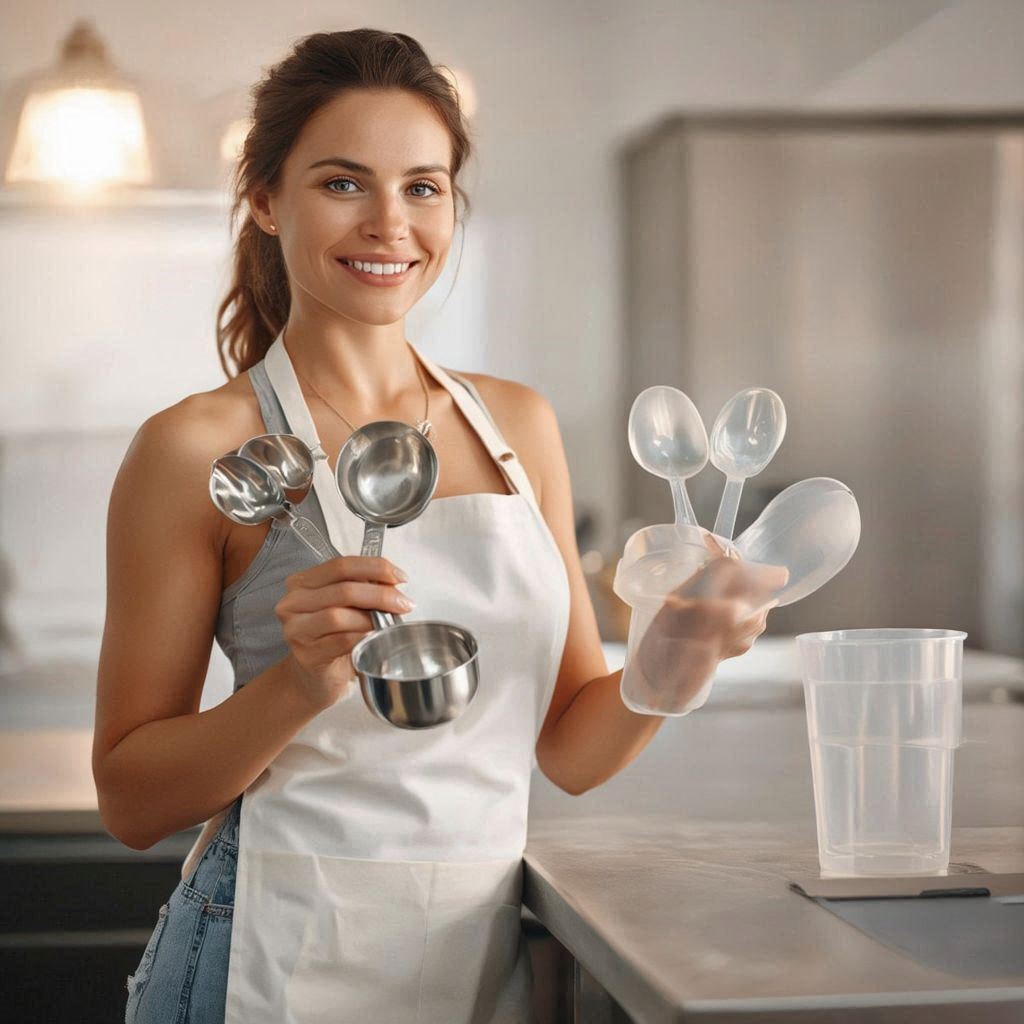
Here is something most home cooks never consider: the plastic measuring cup you have used for years may no longer measure a true cup. Plastic changes shape over time — and when the shape changes, so does the volume. If your baking has slowly drifted despite doing everything right, your tools might be the quiet culprit.
This is Part 2 of our Kitchen Accuracy Series. In Part 1 we covered how to read liquids correctly. Today we look at the tool itself — and whether plastic cups lose accuracy as they age.
The Short Answer: Yes, They Can
A brand-new plastic measuring cup is usually accurate. The problem is not how it starts — it is how it ages.
Plastic is a soft, flexible material compared to metal or glass. Over months and years of real kitchen use, it can warp, flex, and distort.
A measuring cup is only accurate as long as it holds its exact shape. Change the shape, and you change the volume it holds — even if the printed line still says “1 cup.”
The Number One Culprit: The Dishwasher
If you take one thing from this article, make it this: the dishwasher is the main reason plastic measuring cups lose accuracy.
Dishwashers combine two things plastic dislikes — sustained heat and hot-air drying cycles. Repeated exposure gradually softens and warps thin plastic.
Each cycle may cause only a tiny change. But over dozens and hundreds of washes, small warps add up until the cup no longer sits flat or holds its original volume.
✅ The fix: Hand-wash plastic measuring cups in warm (not scalding) water and let them air-dry. Skipping the dishwasher is the single best thing you can do to keep them accurate for years.
The Fading Markings Problem
There is a second, sneakier way plastic cups fail: the markings.
Most plastic cups have printed or molded measurement lines. Over time, and especially with dishwasher use, these printed marks fade, wear, and become hard to read.
A cup you cannot read accurately is a cup you cannot measure with accurately. If you find yourself squinting or guessing where the line is, the tool is already failing you.
Three Other Ways Plastic Cups Go Wrong
Beyond the dishwasher and fading marks, watch for these:
- Nesting under pressure: storing cups stacked tightly, or with heavy items on top, puts constant pressure on the rims and can slowly deform them.
- Hot liquids: pouring boiling water or hot oil into a standard plastic cup can soften and warp it. Most are not made for high heat.
- Microwaving: heating anything in a plastic measuring cup risks warping it out of shape — measure first, then transfer to a microwave-safe container.
How to Test If Your Cup Is Still Accurate
You do not need special equipment to check a suspect cup. You need a kitchen scale and water.
Water has a reliable property: 1 US cup of water weighs almost exactly 236 grams (about 8.3 ounces).
✅ The water test:
1. Put an empty bowl on a kitchen scale and tare it to zero.
2. Fill your measuring cup to the “1 cup” line with water.
3. Pour it into the bowl and read the weight.
4. Close to 236 grams? Your cup is accurate. Far off? It has drifted — time to replace it.
This same test works for checking any measuring cup, plastic or not.
Plastic vs Stainless Steel vs Glass
Each material ages differently. Here is how they compare on the things that affect accuracy over time.
| Material | Holds Its Shape | Markings Last | Best For |
|---|---|---|---|
| Plastic | Can warp with heat | Printed — can fade | Light use, budget, microwave |
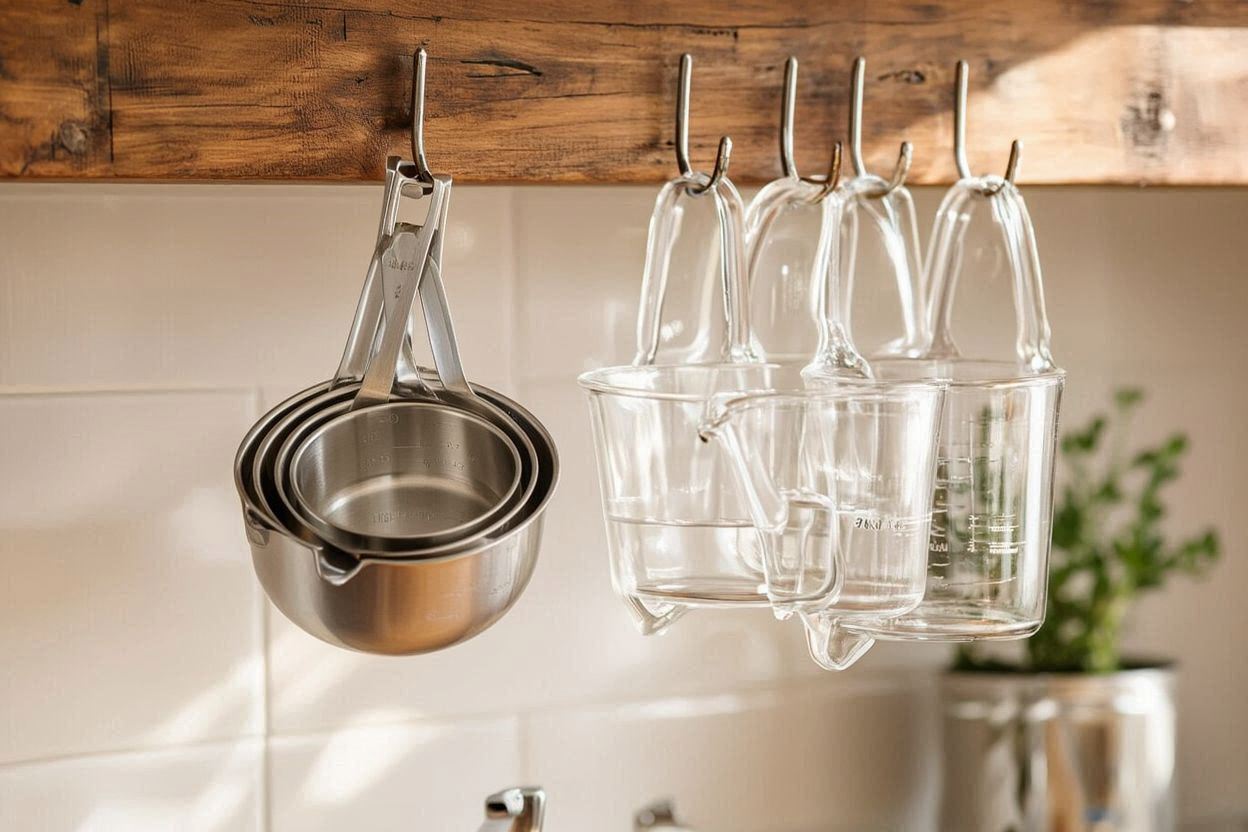
| Stainless steel | Excellent — stays rigid | Often engraved — never fade | Dry ingredients, long-term use |
| Glass | Excellent — heat resistant | Usually printed or fused | Liquids, hot liquids |
The takeaway is not that plastic is bad — it is lightweight, affordable, and microwave-friendly. The point is that plastic needs gentler care to stay accurate, while steel and glass tolerate more abuse.
When Should You Replace a Plastic Measuring Cup?
Replace it when you notice any of these warning signs:
- It no longer sits flat on the counter (a sign of warping)
- The measurement markings are faded or hard to read
- The rim looks bent, wavy, or uneven
- It failed the water test above
- There are cracks, especially near the base or handle
A warped measuring cup is not a small problem. It quietly throws off every recipe you make until you replace it.
Frequently Asked Questions
Do plastic measuring cups lose accuracy over time?
Yes, they can. Plastic warps with heat and pressure — especially in the dishwasher — and a warped cup holds a different volume than it did when new. Faded markings also make them harder to read accurately.
Can you put plastic measuring cups in the dishwasher?
You can, but repeated dishwasher heat is the main cause of warping and fading in plastic cups. Hand-washing in warm water and air-drying keeps them accurate far longer.
How do I know if my measuring cup is accurate?
Use the water test. One US cup of water weighs about 236 grams. Fill your cup to the 1-cup line, pour it onto a tared kitchen scale, and check. If it is close to 236 grams, it is accurate.
Are stainless steel measuring cups more accurate than plastic?
Both can be accurate when new. Stainless steel stays accurate longer because it does not warp, and its engraved markings never fade. Plastic needs gentler care to keep its accuracy.
Does a warped measuring cup really affect baking?
Yes. Baking depends on precise ratios. A cup that holds slightly more or less than a true cup shifts your ingredient balance, which can lead to dense, dry, or flat results over time.
📌 Key Takeaways — Plastic Measuring Cups & Accuracy
• Plastic cups can lose accuracy as they warp with age
• The dishwasher is the number one cause of warping
• Hand-wash and air-dry to protect them
• Faded markings make accurate reading impossible
• Test any cup: 1 cup of water ≈ 236 grams on a scale
• Replace if warped, cracked, or unreadable
Related guides: Why your liquid measuring cup is inaccurate · How to measure flour correctly · How many ml in a cup
Next in the Kitchen Accuracy Series: Scooped vs spooned flour — how much difference does your scooping method really make? The answer surprises most bakers.