Introduction
You start cooking an exciting recipe.

The ingredients are ready, the pan is heating, and then you suddenly realize something frustrating.
You don’t have measuring cups.
This situation happens in many kitchens. Sometimes measuring cups are misplaced, sometimes they are dirty, and sometimes people simply never bought them.
The interesting truth is that many experienced cooks around the world rarely depend entirely on measuring cups. Instead, they rely on simple kitchen tricks and visual estimates.
Learning these methods can save your recipe and help you cook confidently even when tools are missing.
In this guide, you will discover practical ways to measure ingredients using everyday kitchen items.
Why Ingredient Measurements Matter
Cooking allows flexibility, but certain ingredients must be measured correctly.
Small mistakes in ingredient amounts can cause:
• Flat baked goods
• Dry cakes and muffins
• Overly salty dishes
• Unbalanced flavors
Understanding simple measurement tricks helps prevent these problems.
Method 1: Use Tablespoons and Teaspoons
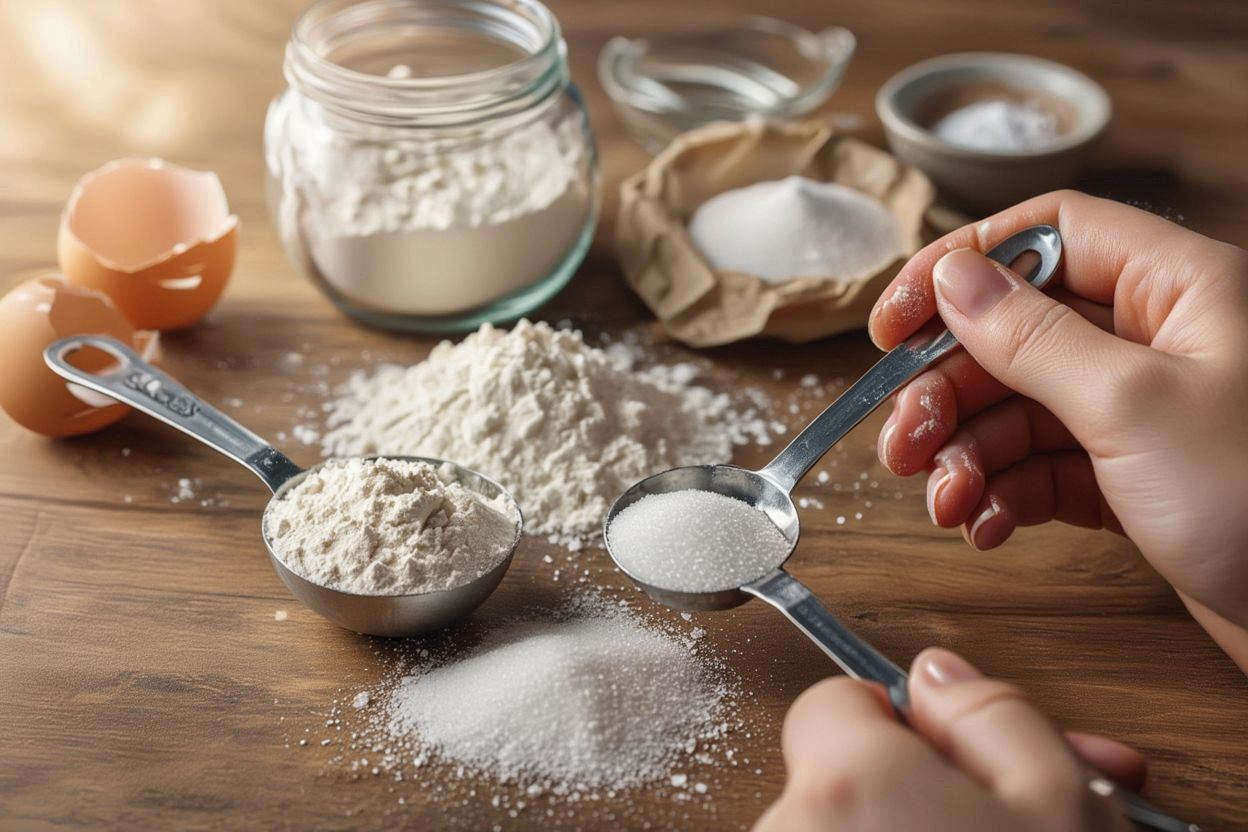
Even if you don’t have measuring cups, many kitchens still have spoons.
Basic kitchen conversions include:
• 1 tablespoon = 3 teaspoons
• 4 tablespoons = ¼ cup
• 8 tablespoons = ½ cup
• 16 tablespoons = 1 cup
By repeating spoon measurements, you can estimate larger quantities surprisingly well.
Method 2: Use a Regular Drinking Cup
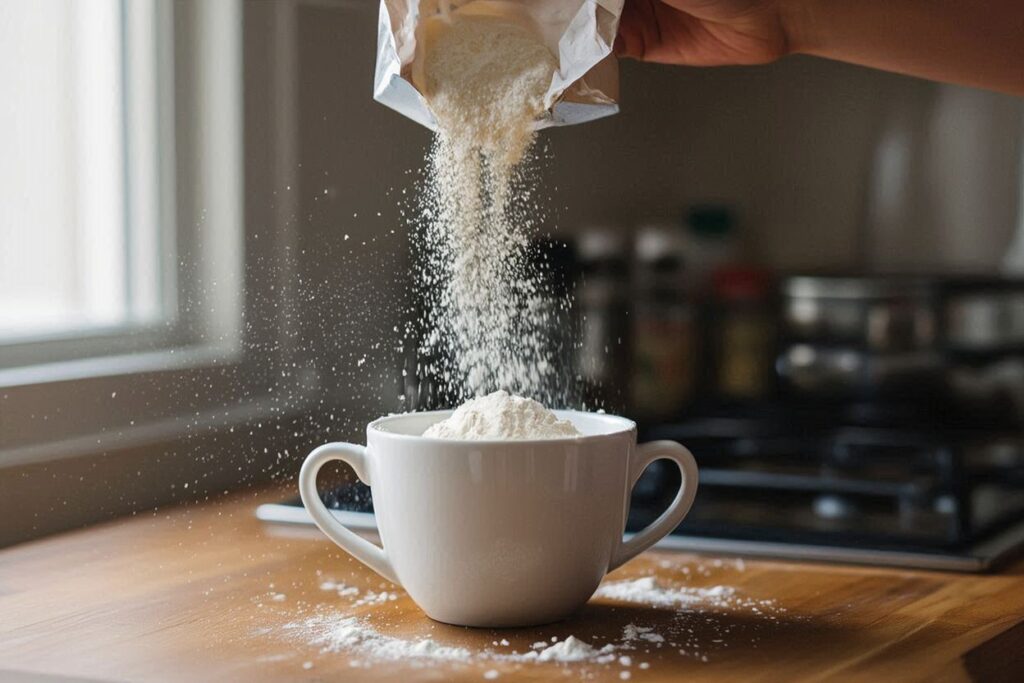
Many standard drinking cups hold approximately 240 milliliters, which is very close to 1 standard cooking cup.
This means you can estimate ingredient quantities such as:
• 1 cup flour
• 1 cup milk
• 1 cup water
Although this method is not perfect, it works well for everyday cooking.
Method 3: Use Your Hand as a Guide
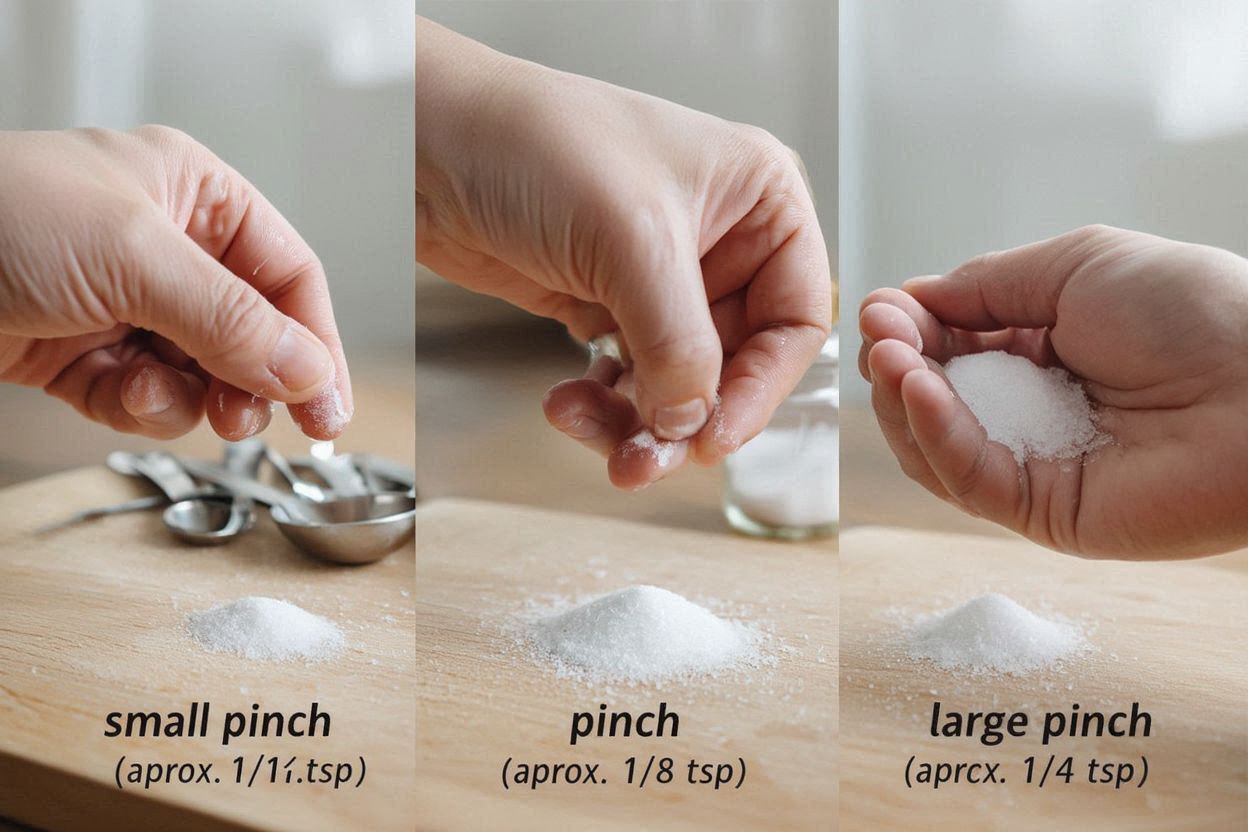
Professional chefs often rely on visual and hand measurements.
Common kitchen references include:
• Pinch – amount between two fingers
• Handful – roughly ¼ to ½ cup
• Palm size – typical portion for proteins
This method works especially well for spices, herbs, and seasoning.
Method 4: Use Kitchen Containers
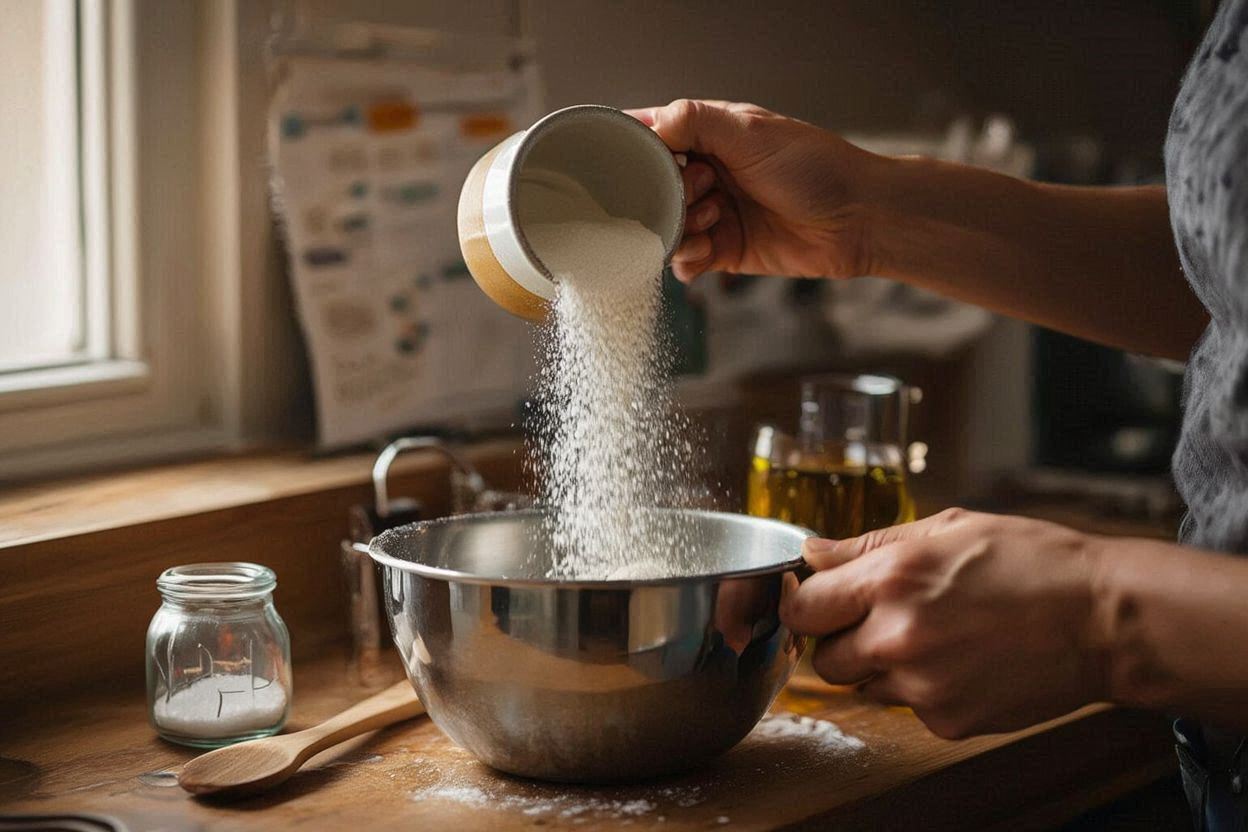
Many household containers already have predictable sizes.
Examples include:
• Small yogurt cups ≈ ½ cup
• Coffee mugs ≈ 1 cup
• Small bowls ≈ ¾ cup
Once you become familiar with these estimates, measuring ingredients becomes easier even without tools.
Recommended Tool for Accurate Measuring
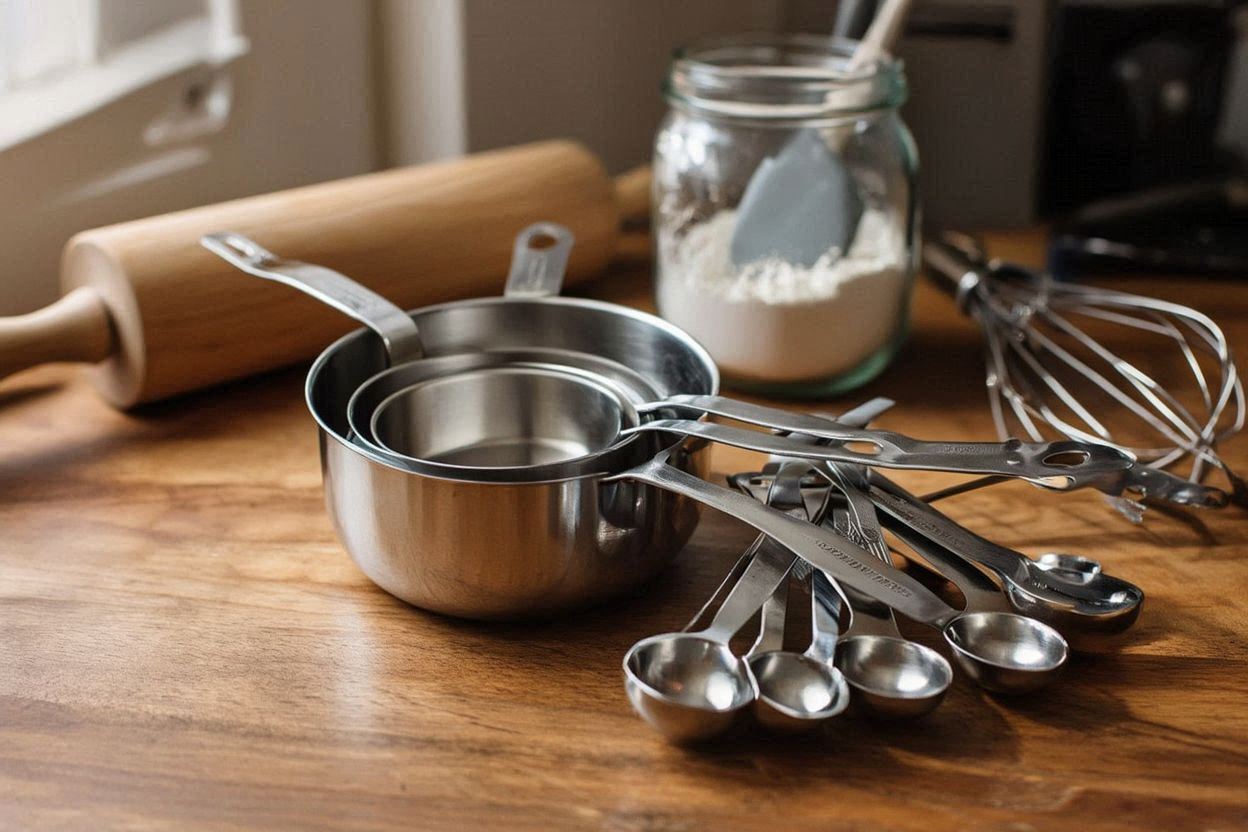
While these kitchen hacks are helpful, having proper measuring tools makes cooking much easier and more precise.
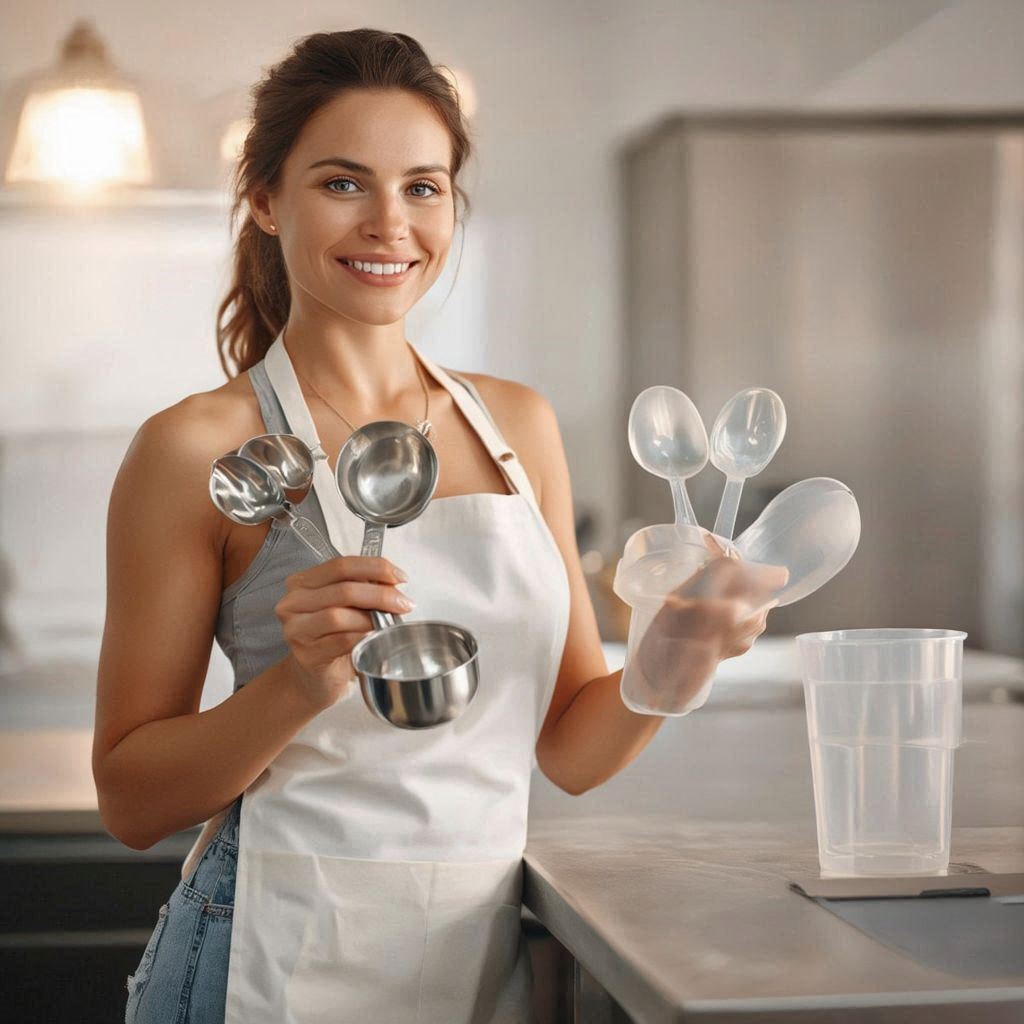
One reliable option used by many home cooks is the U-Taste 18/8 Stainless Steel Measuring Cups and Spoons Set.
These measuring tools include clear engraved measurement markings and durable stainless steel construction.
You can read the full review here:
https://triplestarshop.com/u-taste-18-8-stainless-steel-measuring-cups-and-spoons-review
Using proper measuring tools helps ensure consistent results, especially when baking.
Helpful Kitchen Guides You May Find Useful
If you want to improve your cooking accuracy, these guides may also help:
• How Many Tablespoons Are in a Cup
• Dry vs Liquid Measuring Cups – What Most Home Cooks Get Wrong
• Kitchen Measurement Conversion Chart (Printable Guide)
• How to Measure Flour Correctly for Baking
These guides help build stronger kitchen measurement skills.
Final Verdict
Not having measuring cups does not mean you have to stop cooking.
With simple techniques such as using spoons, drinking cups, hand measurements, and everyday containers, you can estimate ingredient amounts surprisingly well.
However, when precision is important — especially in baking — using proper measuring tools will always give the best results.
Learning these simple kitchen hacks makes you a more confident and flexible cook in any situation.