Introduction
Have you ever followed a recipe step by step, only to end up with disappointing results?
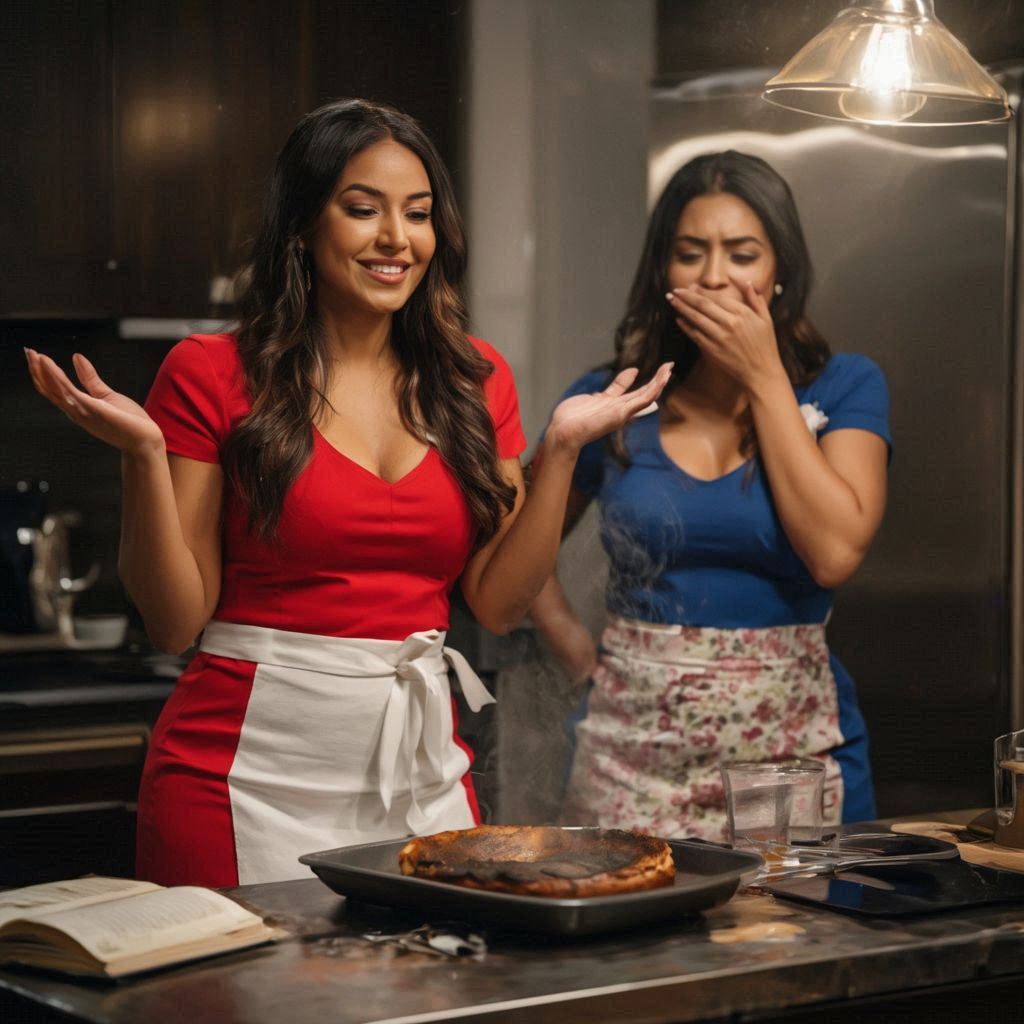
The ingredients were correct.
The instructions were clear.
You did everything the recipe said.
Yet somehow the dish still didn’t turn out the way it was supposed to.
This experience is incredibly common among home cooks. Many people assume the problem is their cooking skills, but the reality is more complex.
The truth most cooking websites rarely explain is this:
Recipes don’t always fail because of the recipe itself — they fail because of small variables that most people overlook.
Once you understand these hidden factors, cooking becomes much more predictable and enjoyable.
The Measurement Problem Most People Ignore
One of the biggest reasons recipes fail is inaccurate measurements.

Cooking instructions often assume ingredients are measured correctly, but many home cooks unknowingly make small measuring mistakes.
For example:
- Packing flour into a measuring cup
- Using liquid measuring cups for dry ingredients
- Guessing small measurements like teaspoons
These small errors can completely change the balance of a recipe.
Professional chefs treat measurements very seriously, especially in baking where precision matters the most.
If you want to understand the difference between measuring tools, read our guide:
Dry vs Liquid Measuring Cups – What Most Home Cooks Get Wrong
Ingredient Quality Makes a Bigger Difference Than You Think
Another hidden factor is ingredient quality.
Fresh ingredients behave differently than older ones.
For example:
- old baking powder may not rise properly
- stale flour may affect texture
- low-quality butter may change flavor
Many recipes assume you are using fresh, high-quality ingredients, which is why results can vary.
The Oven Temperature Myth
Most ovens are not perfectly accurate.
Even when an oven is set to 350°F (180°C), the actual temperature may fluctuate significantly.
This can cause problems such as:
- cakes baking too quickly
- cookies spreading too much
- bread not rising properly
Many experienced cooks use an oven thermometer to verify their oven temperature.
The Preparation Step Many People Skip
Another reason recipes fail is rushing preparation.

Professional cooks prepare everything before starting. This method is called “mise en place.”
It means:
- measuring ingredients beforehand
- organizing tools
- reading the recipe fully
When ingredients are prepared in advance, cooking becomes much easier and more accurate.
Why Accurate Measuring Tools Matter
Reliable measuring tools help eliminate many kitchen mistakes.
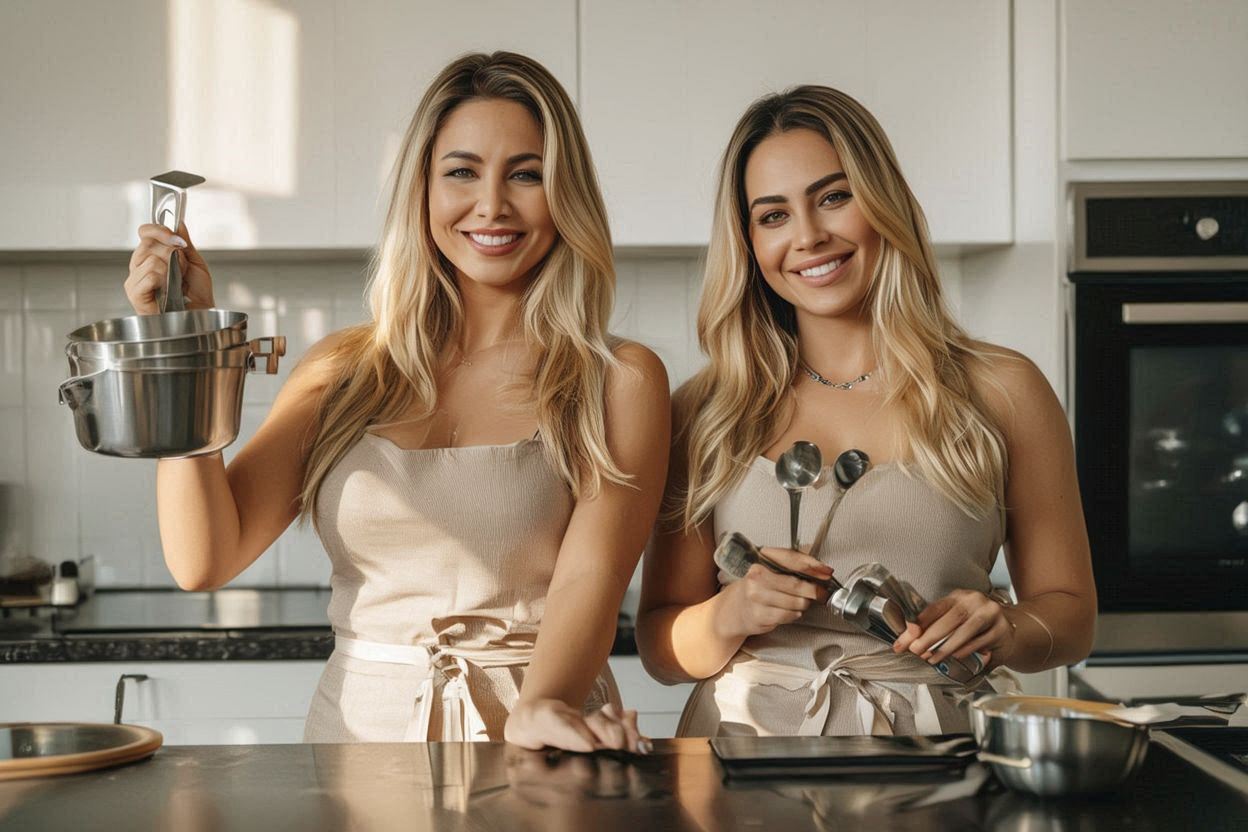
Cheap measuring tools may have faded markings or inconsistent sizes.
One option many home cooks prefer is the U-Taste 18/8 Stainless Steel Measuring Cups and Spoons Set.
Reasons cooks appreciate this set:
- engraved measurements that won’t fade
- durable stainless steel construction
- accurate standard sizes
- comfortable handles
👉 Check the current price on Amazon
Simple Cooking Habits That Improve Results
If your recipes often fail, try adopting these small habits:
✔ Measure ingredients carefully
✔ Use the correct measuring tools
✔ Prepare ingredients before cooking
✔ Check oven temperature accuracy
✔ Use fresh ingredients whenever possible
These small adjustments can dramatically improve cooking results.
Related Guides You May Find Helpful
You may also want to explore these helpful guides:
• How Many Tablespoons Are in a Cup
• Ultimate Kitchen Measurement Conversion Chart (Printable Guide)
• How to Measure Flour Correctly for Baking
These guides explain common kitchen mistakes that affect recipe results.
Final Thoughts
When a recipe fails, it can feel frustrating and discouraging.
But the truth is that most cooking mistakes are not about skill — they are about small details that are easy to overlook.
Once you learn to control measurements, preparation, and ingredient quality, recipes become much more reliable.
Cooking then becomes what it should be: creative, enjoyable, and rewarding.