Introduction
Measuring flour may seem simple, but it is one of the most common reasons baking recipes fail. Even a small difference in the amount of flour can affect the texture of cakes, cookies, and bread.
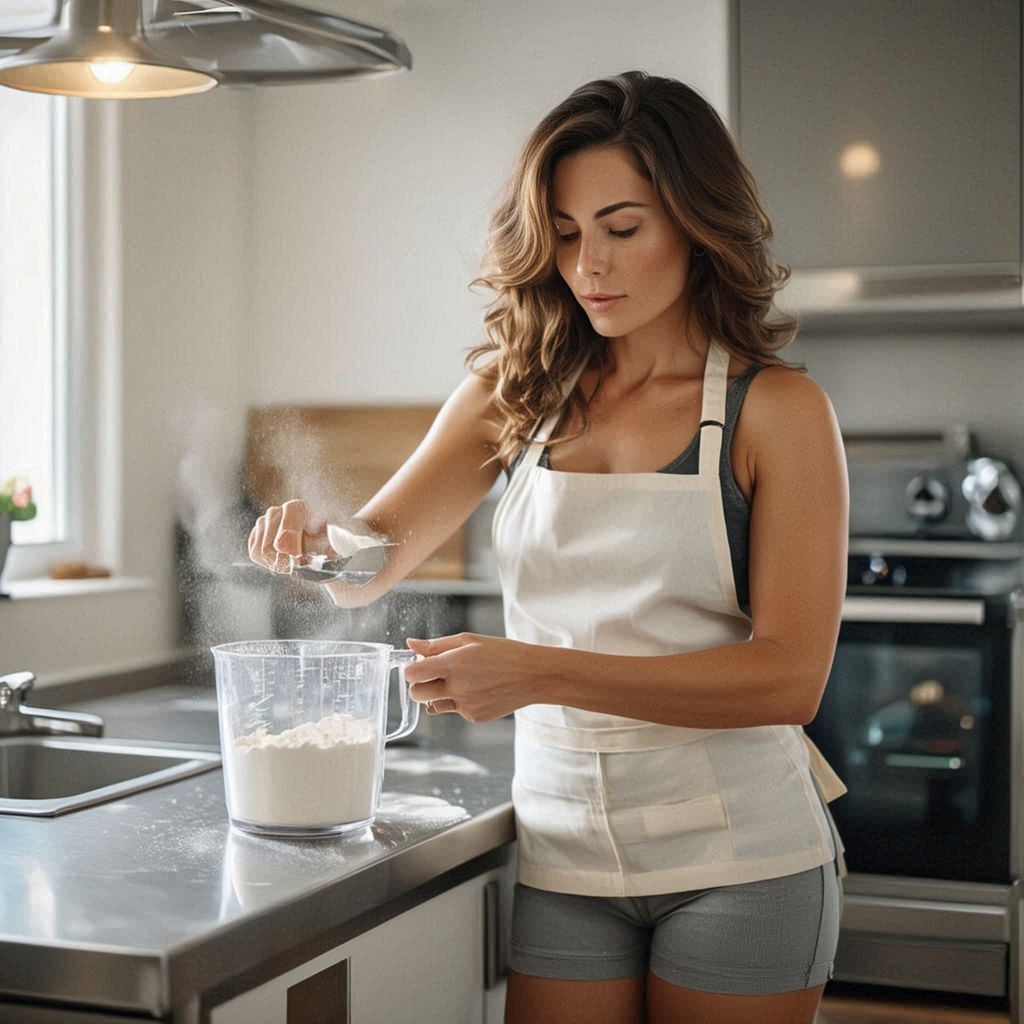
Too much flour can make baked goods dry and dense, while too little flour can cause them to collapse. Learning how to measure flour correctly helps ensure consistent baking results every time.
In this guide, we’ll explain the correct methods for measuring flour and share practical tips used by professional bakers.
Why Measuring Flour Accurately Matters
Flour behaves differently from many other ingredients because it is easily compressed.
If flour is packed tightly into a measuring cup, you may end up using 20–30% more flour than the recipe requires.
This can lead to problems such as:
- Dense cakes
- Dry cookies
- Heavy bread
- Incorrect dough texture
Using proper measuring techniques helps maintain the correct balance of ingredients.The Spoon and Level Method
The most reliable way to measure flour is called the spoon and level method.
Step-by-Step Process
- Use a spoon to scoop flour from the container.
- Gently fill the measuring cup without packing the flour.
- Use a flat edge or knife to level the top.
This method prevents flour from being compressed and keeps the measurement accurate.
The Weighing Method (Most Accurate)
Professional bakers often prefer using a kitchen scale to measure flour.
Weighing ingredients provides greater accuracy because it measures the exact weight instead of volume.
For reference:
1 cup of all-purpose flour ≈ 120 grams
Using a digital scale can greatly improve baking consistency.
Common Flour Measuring Mistakes
Many beginners accidentally measure flour incorrectly.
Here are some common mistakes to avoid:
Scooping Directly With the Cup
Scooping flour directly from the container packs it tightly, resulting in too much flour.
Shaking the Measuring Cup
Shaking causes flour to settle and increases the amount measured.
Using the Wrong Measuring Tool
Dry ingredients should always be measured using dry measuring cups, not liquid measuring cups.
Avoiding these mistakes can significantly improve baking results.
Tips for Accurate Baking Measurements
Professional bakers recommend a few simple habits:
- Always level dry ingredients
- Use standard measuring cups
- Avoid packing flour unless the recipe says so
- Measure ingredients carefully before mixing
Consistency in measuring leads to better baking outcomes.
Choosing the Right Measuring Tool
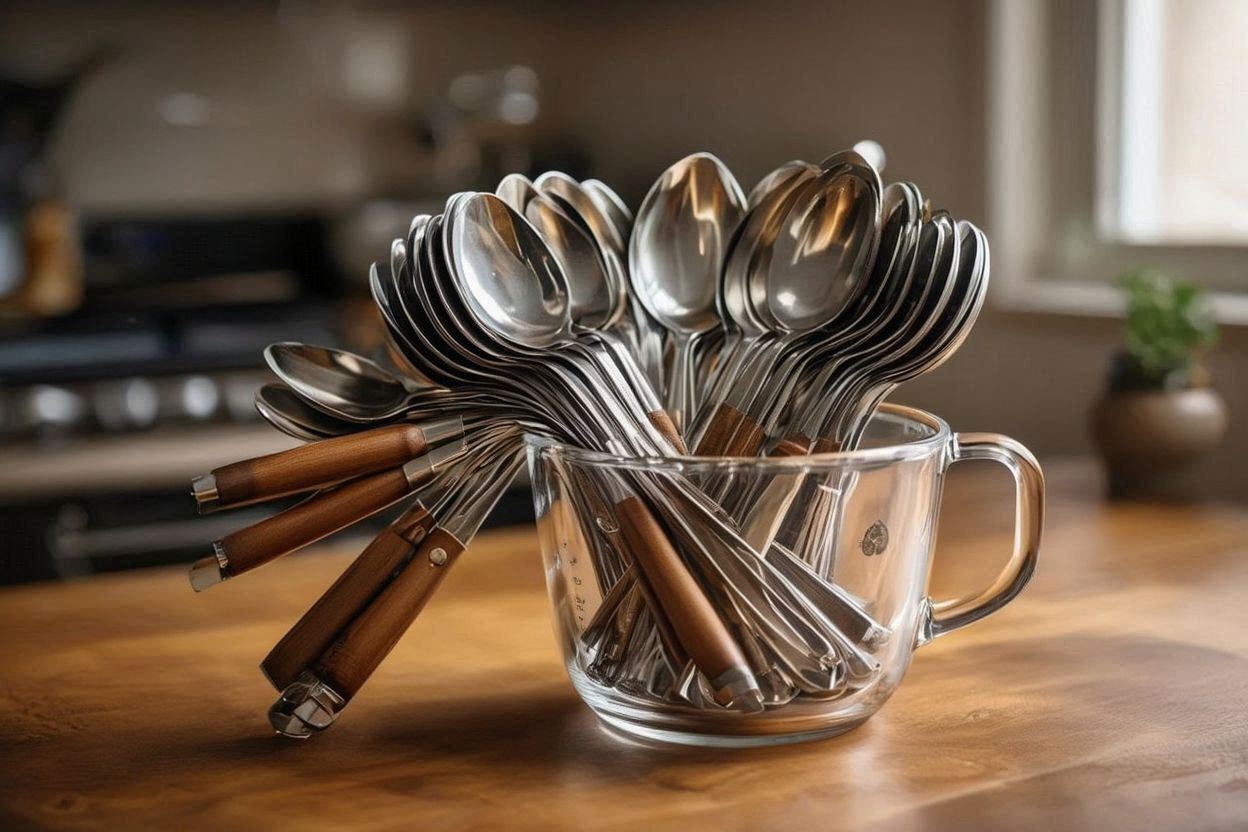
Using reliable measuring cups and spoons can make baking much easier.
Good measuring tools should have:
- Clear measurement markings
- Durable materials such as stainless steel
- Accurate standard sizes
- Comfortable handles
If you want to see some reliable options, check our guide to the best measuring cups and spoons on Triple Star Shop.
This guide compares several measuring sets designed to improve kitchen accuracy.
Final Thoughts
Measuring flour correctly is one of the most important skills in baking. Small measurement errors can affect the texture and quality of your baked goods.
By using the spoon and level method or measuring flour by weight, you can achieve more consistent and successful baking results.
With the right measuring techniques and reliable kitchen tools, anyone can bake with greater confidence.