Introduction
Many people assume that all measuring cups work the same way. However, there is an important difference between dry measuring cups and liquid measuring cups.
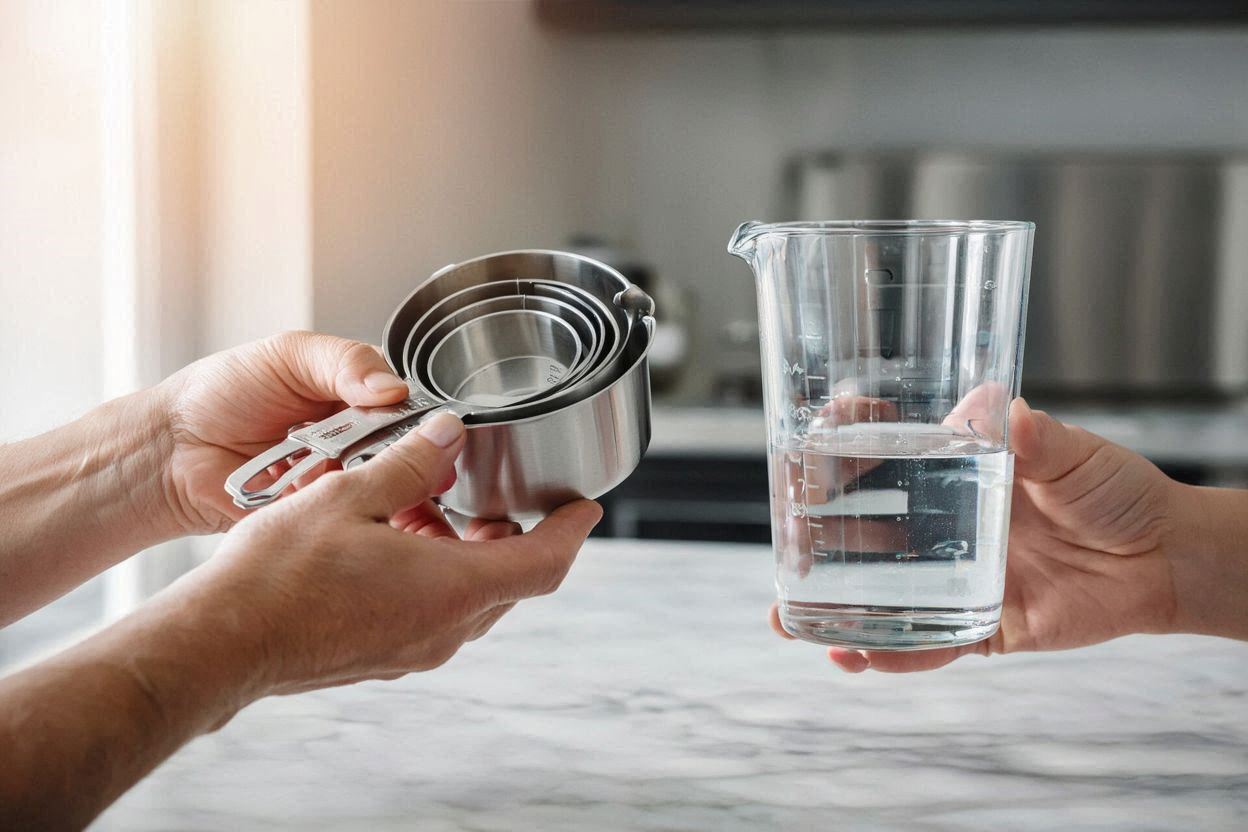
Using the wrong type of measuring cup can affect the accuracy of your recipes, especially when baking. Understanding the difference helps you measure ingredients correctly and achieve better cooking results.
In this guide, we’ll explain how dry and liquid measuring cups differ, when to use each one, and why having both in your kitchen is useful.
What Are Dry Measuring Cups?
Dry measuring cups are designed to measure solid or dry ingredients such as:
- Flour
- Sugar
- Rice
- Cocoa powder
- Oats
These cups are usually sold as nested sets that include common sizes like:
- 1 cup
- 1/2 cup
- 1/3 cup
- 1/4 cup
How to Use Dry Measuring Cups
To measure dry ingredients correctly:
- Fill the cup completely with the ingredient.
- Use a flat edge or knife to level the top.
- Avoid packing ingredients unless the recipe specifically says so.
This technique ensures accurate measurements for baking and cooking.
What Are Liquid Measuring Cups?
Liquid measuring cups are designed for pourable ingredients such as:
- Water
- Milk
- Oil
- Broth
- Juice
These measuring cups usually have:
- A pouring spout
- Measurement lines on the side
- A handle for easy pouring
Most liquid measuring cups are made from glass or clear plastic so you can easily read the measurement marks.
Why Dry and Liquid Cups Are Different
Although both tools measure volume, their designs serve different purposes.
| Feature | Dry Measuring Cups | Liquid Measuring Cups |
|---|---|---|
| Shape | Filled to the top | Extra space above measurement |
| Use | Dry ingredients | Liquid ingredients |
| Measurement style | Level the top | Read from measurement lines |
| Design | Usually metal or plastic sets | Glass or plastic with spout |
Because of these design differences, using the wrong type of measuring cup can lead to inaccurate results.
Can You Use One Instead of the Other?
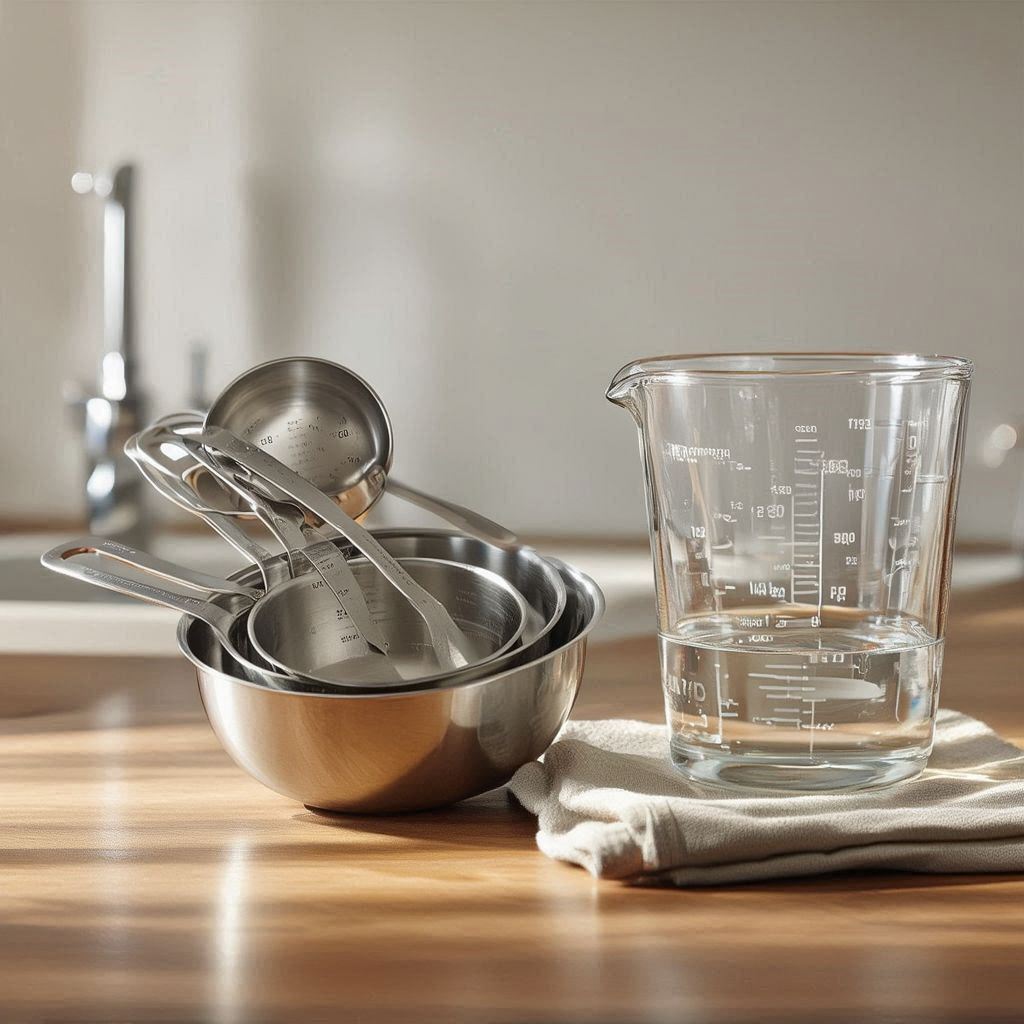
Technically, yes—but it is not recommended.
For example:
- Using a liquid measuring cup for flour may result in too much flour.
- Using a dry cup for liquids may cause spilling or inaccurate measurement.
Professional cooks and bakers prefer using the correct tool for better accuracy.
When Accuracy Matters the Most
Accurate measurement becomes especially important in:
- Baking cakes and cookies
- Making sauces
- Preparing bread dough
- Following precise recipes
Even small measurement mistakes can change the texture and flavor of your dish.
Choosing the Right Measuring Cups
When selecting measuring cups for your kitchen, look for these features:
• Clear and easy-to-read measurement markings
• Durable materials such as stainless steel or tempered glass
• Comfortable handles
• Dishwasher-safe construction
Reliable measuring tools make cooking easier and improve consistency in recipes.
You can explore some excellent options in our guide:
Best Measuring Cups and Spoons Top Picks
This guide compares some of the most reliable measuring sets available for home kitchens.
Final Thoughts
Understanding the difference between dry and liquid measuring cups can significantly improve your cooking and baking accuracy.
The main takeaway is simple:
- Use dry measuring cups for solid ingredients.
- Use liquid measuring cups for pourable ingredients.
With the right measuring tools and proper technique, you can follow recipes confidently and achieve better results in the kitchen.