Introduction
Baking is often described as a science. Even small measurement mistakes can change the texture, flavor, and appearance of your baked goods.
If your cakes turn out dense, cookies spread too much, or bread doesn’t rise properly, the problem may not be the recipe — it could be how ingredients are measured.
In this guide, we’ll explore the most common measuring mistakes in baking and explain how to avoid them so your recipes turn out perfect every time.
1. Scooping Flour Directly With the Measuring Cup
One of the most common baking mistakes is scooping flour directly with a measuring cup.
This compresses the flour and adds more than the recipe requires.
The Correct Method
- Use a spoon to add flour to the measuring cup.
- Fill it loosely.
- Level the top with a flat edge.
This technique prevents excess flour and helps produce lighter baked goods.
2. Using the Wrong Type of Measuring Cup
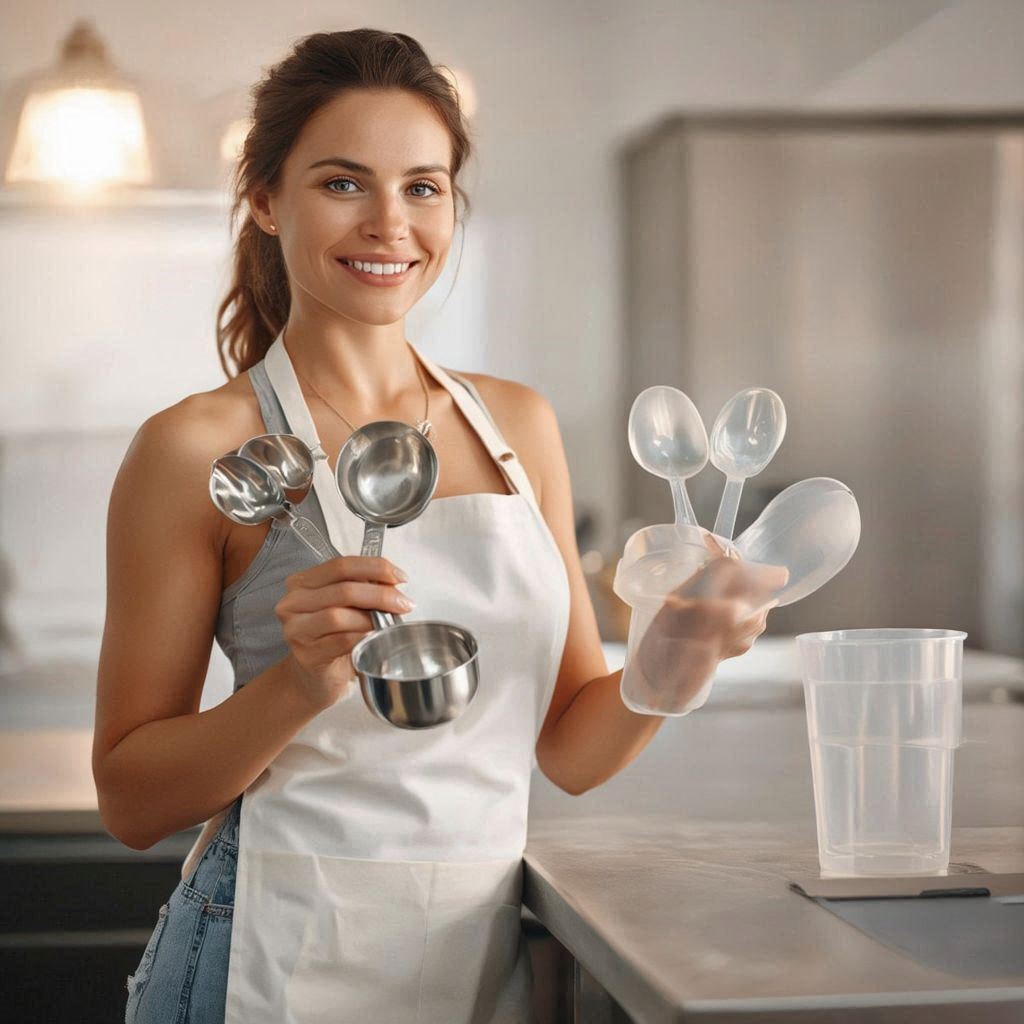
Many home cooks use the same cup for everything, but baking requires different tools for dry and liquid ingredients.
Using a liquid measuring cup for flour or sugar can cause inaccurate measurements.
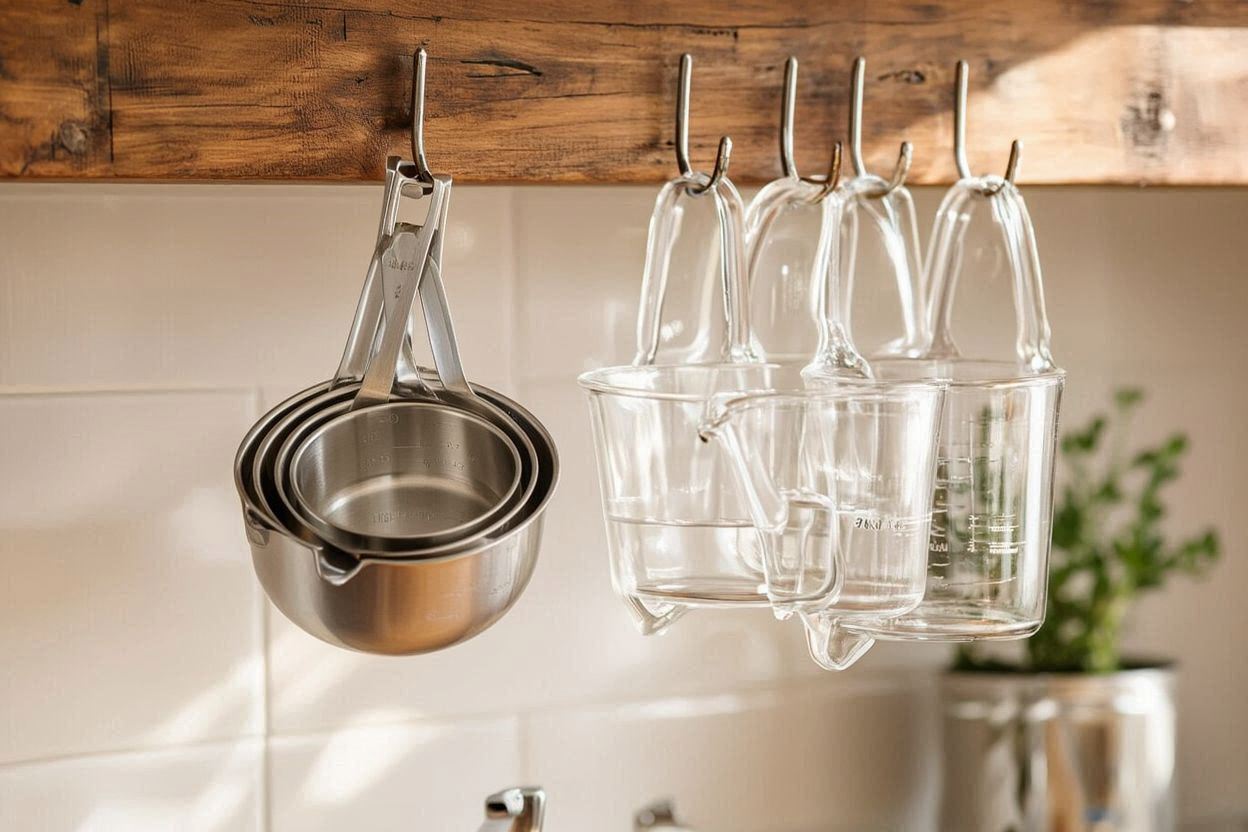
Dry ingredients should be measured using dry measuring cups, while liquids should be measured with liquid measuring cups that have measurement lines and a pouring spout.
3. Not Leveling Dry Ingredients
Another common mistake is leaving ingredients uneven or heaped in the measuring cup.
Even small differences can affect baking results.
Always level dry ingredients such as flour, cocoa powder, and sugar using a knife or straight edge.
4. Guessing Measurements
Many people estimate ingredient amounts instead of measuring carefully.
While this may work for cooking, baking requires precision.
For example:
- Too much baking powder can make cakes taste bitter
- Too little sugar can affect texture and sweetness
- Incorrect flour measurements can change the entire structure of a recipe
Always measure ingredients carefully for consistent results.
5. Measuring Liquids at the Wrong Angle
Liquid measurements should always be checked at eye level.
When you look down at the cup from above, the measurement can appear different.
Place the measuring cup on a flat surface and read the measurement line directly from the side.
This ensures the most accurate measurement.
6. Packing Ingredients That Shouldn’t Be Packed
Some ingredients, such as brown sugar, should be packed into the measuring cup. However, many other ingredients should not be compressed.
Packing flour, powdered sugar, or cocoa powder can result in using too much of the ingredient.
Unless the recipe specifically says to pack it, ingredients should be measured lightly and leveled.
7. Using Poor-Quality Measuring Tools
Low-quality measuring cups and spoons can lead to inaccurate measurements because their sizes may not match standard measurements.
Reliable measuring tools should have:
• Clear engraved measurement markings
• Durable construction
• Comfortable handles
• Accurate standard sizes
Quality measuring tools make baking easier and help maintain consistency.
If you’re looking for reliable measuring tools, you can explore our guide:
Best Measuring Cups and Spoons Top Picks
This guide compares several measuring sets that are designed for accuracy and durability in everyday cooking and baking.
Tips for Accurate Baking Measurements
Professional bakers follow a few simple rules to ensure accuracy:
• Always use the correct measuring tool
• Level dry ingredients carefully
• Measure liquids at eye level
• Follow recipe instructions precisely
• Use consistent measuring techniques
These habits improve baking results and reduce recipe failures.
Final Thoughts
Baking success often depends on accurate measurements. Even small mistakes can affect texture, flavor, and overall results.
By avoiding these common measuring mistakes and using proper measuring tools, you can greatly improve the quality of your baked goods.
With a little attention to detail and the right equipment, anyone can bake with confidence and consistency.